

In today’s fast-paced digital marketplace, the difference between thriving and merely surviving can hinge on a single factor: visual content. According to a recent study, a staggering 75% of consumers base their buying decisions on product images, creating an undeniable need for high-quality visuals. Take the case of Fashionista Boutique, a fashion retailer based in Australia, which faced the daunting challenge of declining sales due to outdated product imagery and slow website performance. By...

Have you ever wondered what truly sets successful e-commerce brands apart in a rapidly evolving market? According to a recent study by Statista, an astonishing 73% of consumers prefer shopping through multiple channels, underscoring the urgent need for businesses to create a seamless and engaging shopping experience. At Cmsmart, we witnessed a compelling transformation with one of our partners, Amazing Gadgets, based in Australia. Initially struggling to bridge the gap between their brick-and-mortar presence...

The eCommerce landscape is evolving rapidly, with global sales projected to eclipse $6 trillion by 2024, creating unprecedented opportunities for growth. Yet, many entrepreneurs find themselves navigating a treacherous path filled with obstacles like integrating new technologies into established business models and leveraging data analytics for better performance. Take the story of Global Prints, a startup from Canada specializing in custom apparel. They faced significant challenges in engaging their customers despite their high-quality products....

As the global eCommerce market is projected to skyrocket to a staggering $8 trillion by 2027, the urgency for businesses to adapt and innovate has never been more critical. Consider the inspiring journey of FashionFusion, a clothing retailer based in Australia, which faced dwindling sales due to outdated digital practices and ineffective customer engagement. By embracing cutting-edge eCommerce strategies and switching to responsive platforms offered by Cmsmart, they not only revitalized their online presence...

Imagine this: by 2023, e-commerce sales are expected to account for a staggering 22% of global retail sales, underscoring the undeniable surge in online shopping and the need for businesses to adapt swiftly. Consider the story of Fashionista Co., a rising clothing retailer based in Italy. Despite their trendy designs and quality materials, they struggled to gain traction online, bogged down by the overwhelming number of e-commerce platforms available. By leveraging Cmsmart’s comprehensive expertise,...

Imagine standing at the precipice of a monumental shift in retail: digital marketplaces are now projected to account for nearly 30% of global e-commerce sales by 2024, valued at over $6.3 trillion. The question that many businesses face today is not whether they should adopt these platforms, but rather how they can optimize their presence in these bustling online spaces. Take, for instance, Global Fashion Co., based in Australia, which struggled to scale its...

As South Korea's e-commerce market is projected to soar to $100 billion by 2024, brands must adapt swiftly to meet the evolving demands of digital consumers. Just last year, Seojin, a burgeoning fashion retailer from Seoul, faced a steep challenge: with consumers clamoring for faster deliveries and personalized experiences, Seojin struggled to keep pace. By integrating Cmsmart’s innovative tools—like real-time interactions via live streaming and a robust subscription model—Seojin not only enhanced customer satisfaction...

Are you ready to navigate the rapidly evolving waters of B2B ecommerce? With B2B ecommerce projected to soar to a staggering $25.6 trillion by 2028, businesses can no longer afford to sit idle. The competition is fierce, and expectations for seamless, personalized shopping experiences are at an all-time high. Take the case of EcoSolutions, a manufacturing company based in Canada, which saw a dramatic improvement in sales after implementing Cmsmart's dynamic solutions. Faced with...

Did you know that the eCommerce market is projected to reach a staggering $6.4 trillion by the end of 2024? While this represents incredible opportunities for businesses, many entrepreneurs grapple with the daunting task of constructing a cohesive digital commerce strategy to secure their place in this expanding landscape. Just like our client, Aisha, a fashion retailer from Australia, who struggled to convert online traffic into sales. Aisha realized that her lack of clear...

Did you know that e-commerce sales in the United States are projected to exceed $1 trillion in 2023? This remarkable surge reflects a seismic shift in consumer behavior, driven by the pandemic and evolving digital landscapes. For businesses like GreenShop, a sustainable goods retailer in Canada, this trend was both an opportunity and a challenge. Struggling to capture the attention of a tech-savvy audience, GreenShop turned to Cmsmart. By integrating our cutting-edge eCommerce solutions,...
Most read this month
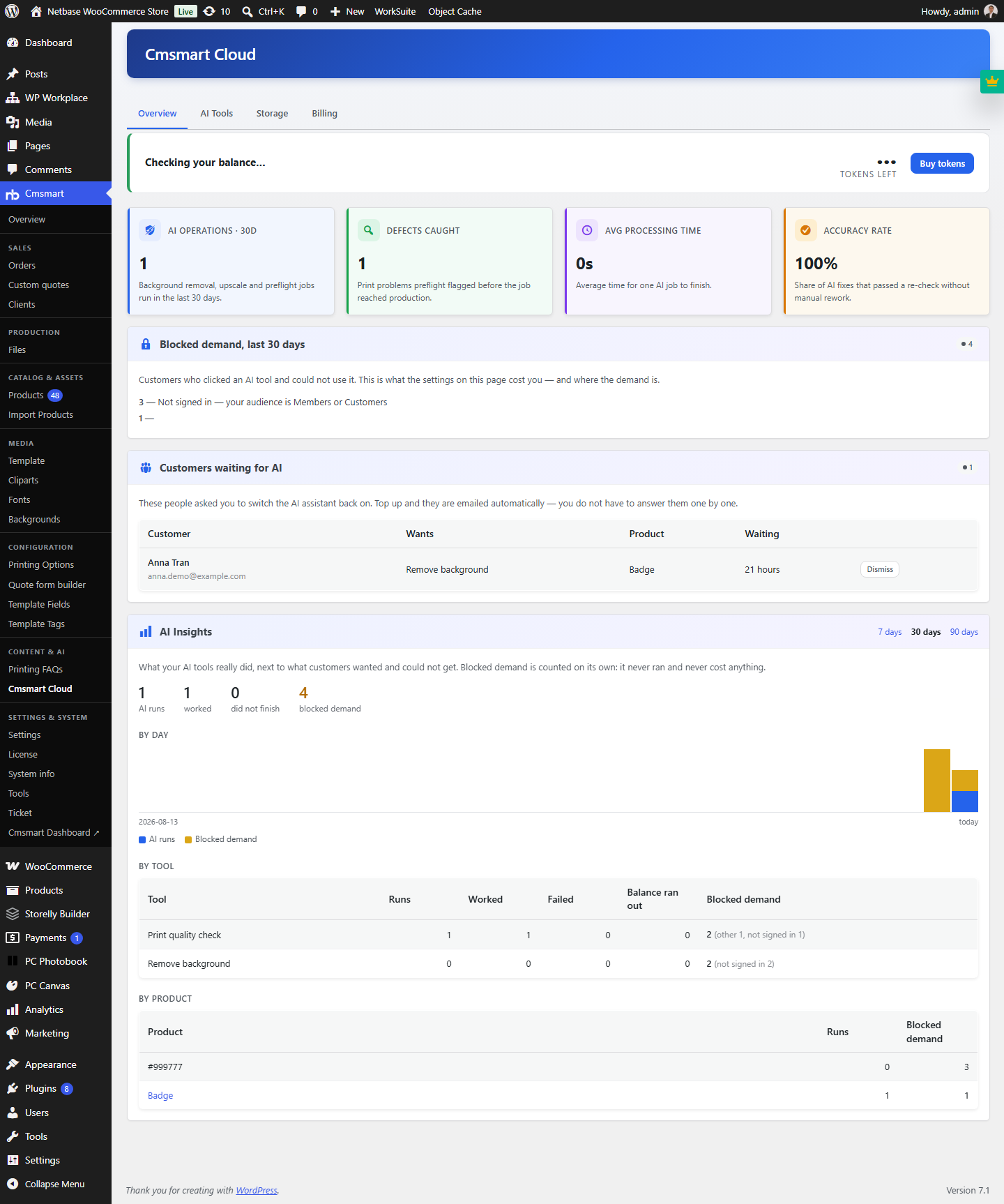 Cmsmart Product Designer 2.15: a critical security fix, a steadier dashboard, and AI you control and profit from
 How to Install the NBDesigner WooCommerce Plugin (2.17.0)
 Cmsmart Product Designer 2.10.0 – Built-in Customer CRM, AI Print-QA and a Redesigned Dashboard
 Teespring Business Model: All You Need to Know
 Master T-shirt SEO: Unlock Your Brand’s Potential with High-Impact Keywords and Smart Strategies
 6 Ecommerce Web Design Companies to Evaluate
 Download NBDesigner Free Trial: Install and Activate
 Introduction On Product Listing And Catalog In An Ecommerce Marketplace
 Cmsmart product designer 2.9.0 – solving critical compatibility issues with wordpress, woocommerce and php 8.x
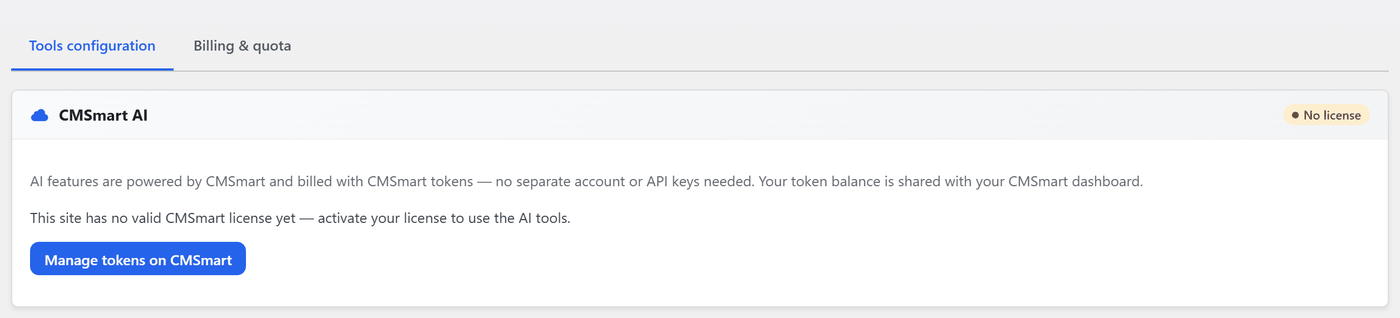 Cmsmart Product Designer 2.12 — AI on Your Own Licence, a Real Quotes Area, and Print Files You Can Trust
About Online marketplaces Ecommerce Topics
Logistics and fulfillment are critical components of any ecommerce business. In order to succeed, ecommerce businesses need to ensure that their products are delivered quickly and reliably to customers. In this article, we will explore some essential logistics and fulfillment topics for the ecommerce community, along with market statistics to support them.
Importance of Logistics and Fulfillment
Logistics and fulfillment are critical for ecommerce businesses. According to a survey by MetaPack, 96% of consumers say that shipping and delivery impacts their loyalty to an ecommerce branding. By providing fast and reliable delivery options, ecommerce businesses can increase customer satisfaction and loyalty.
Market Statistics:
- According to a report by eMarketer, global ecommerce sales are projected to reach $4.9 trillion in 2021, up from $3.5 trillion in 2019.
- According to a report by Statista, the global ecommerce market is projected to reach $6.4 trillion by 2024.
Choosing the Right Shipping Carrier
Choosing the right shipping carrier is critical for successful logistics and fulfillment. Ecommerce businesses need to consider factors such as cost, speed, reliability, and geographic coverage when choosing a shipping carrier. Popular shipping carriers for ecommerce businesses include FedEx, UPS, and USPS.
Market Statistics:
- According to a report by ShipMatrix, FedEx had an on-time delivery rate of 96.9% in 2020.
- According to a report by Parcel Monitor, UPS had an on-time delivery rate of 96.7% in 2020.
Optimizing Shipping and Fulfillment Processes
Optimizing shipping and fulfillment processes is critical for ecommerce businesses. This includes optimizing order processing, inventory management, and order fulfillment. Ecommerce businesses can use software such as warehouse management systems (WMS) and transportation management systems (TMS) to streamline their shipping and fulfillment processes.
Market Statistics:
- According to a report by McKinsey, companies that optimize their supply chain can see a 15% reduction in operating costs.
- According to a report by Retail Systems Research, 87% of retailers say that optimizing their supply chain is a top priority.
Managing Inventory and Warehousing
Managing inventory and warehousing is critical for successful logistics and fulfillment. Ecommerce businesses need to ensure that they have the right amount of inventory to meet customer demand, while avoiding overstocking or understocking. This can be achieved by using inventory management software that tracks inventory levels in real-time.
Market Statistics:
- According to a survey by Brightpearl, 66% of ecommerce businesses struggle with inventory management.
- According to a report by Statista, 22% of US retailers use inventory management software to manage their inventory.
Offering Competitive Shipping and Fulfillment Options
Offering competitive shipping and fulfillment options can make a big difference in customer satisfaction and sales. Ecommerce businesses need to offer fast and reliable shipping options, as well as transparent tracking information. This can be achieved by partnering with third-party logistics providers (3PLs) that specialize in ecommerce fulfillment.
Market Statistics:
- According to a survey by MetaPack, 96% of consumers say that shipping and delivery impacts their loyalty to an ecommerce branding.
- According to a report by Digital Commerce 360, ecommerce businesses that use 3PLs have a 34% higher average order value than those that don't.
Implementing Sustainable Logistics and Fulfillment Practices
Implementing sustainable logistics and fulfillment practices is becoming increasingly important for ecommerce businesses. Sustainable practices can help ecommerce businesses reduce their environmental impact, while alsoachieving cost savings and improving customer loyalty. This includes using eco-friendly packaging materials, optimizing shipping routes to reduce carbon emissions, and partnering with carriers that prioritize sustainability.
Market Statistics:
- According to a report by Nielsen, 66% of consumers are willing to pay more for sustainable products.
- According to a report by the Ellen MacArthur Foundation, the global logistics industry produces 1.4 billion tons of CO2 emissions per year, which is equivalent to the emissions produced by the entire aviation industry.
Dealing with Returns and Reverse Logistics
Returns and reverse logistics can be a significant challenge for ecommerce businesses. Ecommerce businesses need to have clear policies in place for handling returns, including managing inventory levels, processing refunds, and managing shipping costs. This can be achieved by using returns management software that tracks return data and provides insights on how to improve the returns process.
Market Statistics:
- According to a report by Optoro, the value of returned merchandise in the US is projected to reach $550 billion by 2020.
- According to a survey by Narvar, 96% of consumers say that the returns process affects their likelihood to shop with a retailer again.
Providing Excellent Customer Service
Providing excellent customer service is critical for successful logistics and fulfillment. Ecommerce businesses need to provide customers with timely and accurate information about their orders, as well as prompt resolution for any issues that arise. This can be achieved by providing customers with multiple channels for customer service, including email, phone, and live chat.
Market Statistics:
- According to a survey by HubSpot, 82% of consumers expect an immediate response from brands on marketing or sales questions.
- According to a survey by Salesforce, 78% of consumers say that customer service experiences influence their loyalty to a brand.
Conclusion
Logistics and fulfillment are critical components of any ecommerce business. By choosing the right shipping carrier, optimizing shipping and fulfillment processes, managing inventory and warehousing, offering competitive shipping and fulfillment options, implementing sustainable logistics and fulfillment practices, dealing with returns and reverse logistics, and providing excellent customer service, ecommerce businesses can optimize their logistics and fulfillment strategies and succeed in the competitive world of ecommerce.

Cmsmart Ecommerce provides custom ecommerce and WooCommerce development services for web-to-print, product personalization, plugin support and API integration. For company background and team leadership, see David Nguyen.

Top