
Multi-store order sync for Cmsmart Ecommerce and WooCommerce
Several stores, one queue: every order arrives once, with its files, and the status goes back to the store that took it.
In short
How do I handle orders from several stores in one place?
Cmsmart connects each of your stores to one target, such as your production system, your ERP or a single order view. Orders arrive through WooCommerce webhooks or another platform's order API, carry their print-ready files, are checked for duplicates, and status goes back to the store that took the order. It is custom development, scoped after a free assessment.
| Scope | Orders from two or more stores consolidated into one queue, with status and tracking returned to the originating store |
|---|---|
| What syncs | Orders, print files and statuses. Stock sync across stores is not included. |
| Typical inputs | Access to every store and to the target system, a description of how orders flow, and sample orders from each store |
| Deliverables | A data map, the consolidation on staging, test orders per store and a run book |
| How pricing works | Free assessment, then a quote per project. It is built to order, not a packaged product. |
How it works
Several stores, one queue
The problem
What goes wrong when orders live in several dashboards?
- An order missed in one store while you work in another
- Different order numbers and statuses in each store
- Print files kept in each store rather than with the job
- The same customer seen as two people
- Orders copied between systems by hand
Fit
Is this the right service?
| A good fit | Another route fits better |
|---|---|
| Two or more stores and one production team | One store with several warehouses: that is shipping and 3PL integration |
| You want one production queue for every store | You want to sell the same stock across stores: inventory sync is a different build |
| The stores run on WooCommerce, or on a platform with an order API | You want several vendors to sell in one shop: that is a marketplace, not order sync |
What we do
What is in scope?
| Part | Input | Deliverable |
|---|---|---|
| Store map | Each store, its platform and its plugins | A list of order sources and how each one sends orders |
| Order intake | WooCommerce webhooks, or the other platform's order API | A normalised order carrying the id of its store |
| Consolidation | A unique key from the store and the order number | One record per order, even if it arrives twice |
| Files | The print-ready file of each line | Files attached to the consolidated job |
| Status back | Statuses and tracking from the target | Updates written to the store that took the order |
| Monitoring | Failed deliveries | Retries, alerts and a daily count that compares each store with the target |
The Cmsmart angle
What is standard, and what is built for you
WooCommerce provides the events and the API. The consolidation, the mapping and the return path are custom development.
Core Standard WooCommerce
- Webhooks. WooCommerce can send a notification each time an order is added, edited or deleted.
- REST API. Store data can be read and updated in JSON, which is how status and tracking go back.
- Print-Ready Files. Each order item can carry a print-ready PDF from Cmsmart Product Designer.
Custom Built as custom development
- The consolidation layer and its duplicate protection
- Mapping of each store's products and statuses to the target
- Order-intake adapters for platforms other than WooCommerce, through their own APIs
- Monitoring, retries and a run book
Not the same thing
Order sync joins stores. A marketplace joins sellers.
With order sync, each store keeps its own catalogue, customers and checkout, and only the orders meet. A marketplace is a single shop where many vendors sell. If that is what you are planning, see the B2B and marketplace pages.
Scope
Included, not included, and extra
Clear lines before you start. The final scope is written into your proposal.
Included
- A review of the stores and the target system
- Order intake from each store
- Consolidation with duplicate protection
- Status and tracking returned to the right store
- Test orders from every store
- Monitoring and a run book
Not included
- Inventory sync across stores
- Migrating a store to another platform
- A packaged multi-store product: this is built to order
- Changes inside the target system beyond the agreed scope
- Licences, hosting and third-party fees (plugins, fonts, images, services, provider accounts)
- Anything that is not written in the approved scope
Extra, quoted separately
- Shared stock levels across stores
- ERP or accounting integration
- Print MIS integration for the consolidated jobs
What we need from you
- Admin access to each store, or to a staging copy of each
- The target system and its API or import format
- A description of the order flow, and sample orders from every store
- A named owner for order data on your side
- A staging copy of your store, or approval to create one
- Someone on your side who can make decisions when a question comes up
Process
How the work runs
Each phase is a milestone, approved and invoiced one at a time. The timeline is set in the assessment because it depends on your store, your products and your systems.
- Free assessment. We read your brief, your store and your constraints, and tell you whether the service fits and what it would involve.
- Written scope and quote. Included, not included, extra and what we need from you, set out before any work starts.
- Build on a staging copy, in milestones you approve one at a time in your dashboard.
- Acceptance with your own products, files and orders, including the awkward ones.
- Handover with a run book, then support through tickets in your dashboard.
This service in three phases
What happens, and what you receive
| Phase | What happens | What you receive |
|---|---|---|
| 1. Review | We review each store and the target system, and write down the order flow. | A written scope and the data map |
| 2. Build and test | We build the consolidation and run test orders from every store on staging. | Test results per store |
| 3. Go live and hand over | We switch it on store by store, with monitoring. | A run book and a daily reconciliation |

Free assessment
Start with a free assessment
Describe your store and what you need. We reply with whether the service fits, what it would involve and a quote, with no obligation.
FAQ
Frequently asked questions
Can I mix platforms?
Yes, where the other platform has an order API or webhooks. Each connection is scoped in the assessment, and the details of a third-party API are confirmed against the provider's current documentation.
Does it merge customer records?
Customer records stay in each store unless you ask for a shared customer view in the scope.
What happens if the same order is sent twice?
The consolidation keys each order on the store and the order number, so the second copy is recognised and no second record is made.
What happens when the target system is down?
Orders wait in a queue and are retried, and an alert goes to the person you name. The daily count shows if any store and the target disagree.
Do we need a staging copy of every store?
A staging copy of each store, or a test mode, is how we run test orders without touching live customers.
Related services
Next steps and neighbouring services
Learn more
Related tutorials from the community
- GuideWhat Are The Startup Costs For Printing Business?Plan a printing business budget across premises, electrical work, equipment, computers, software, insurance, marketing, materials...
- GuidePrinting Industry Trends and Historical StatisticsPrinting industry trends and historical statistics: digital, green and 3D printing, personalization and cloud printing. Verify cur...
- GuideBusiness Card Template Fields WooCommerce GuideBusiness card template fields WooCommerce buyers can edit - name, title, phone - on one locked design. See the setup steps and get...
Who you work with
The team behind Cmsmart and its published work
- 2012Netbase since 2012Cmsmart Ecommerce is a Netbase JSC company
- 6,300+client projectssince 2012
- 80+countriesclients worldwide
- 17,133proposals writtenin our project system, live count
Client projects and countries: Netbase portfolio library and WorkSuite project records, as of Sep 2026. Proposals: records in our Cloodo WorkSuite project system, all-time, refreshed every 6 hours.

Talk to an ecommerce expert
Huy Nguyen (David)
Founder & CEO, Cmsmart · Netbase JSC
Every request is read by the team before you get a written scope and estimate.
Published Cmsmart projects
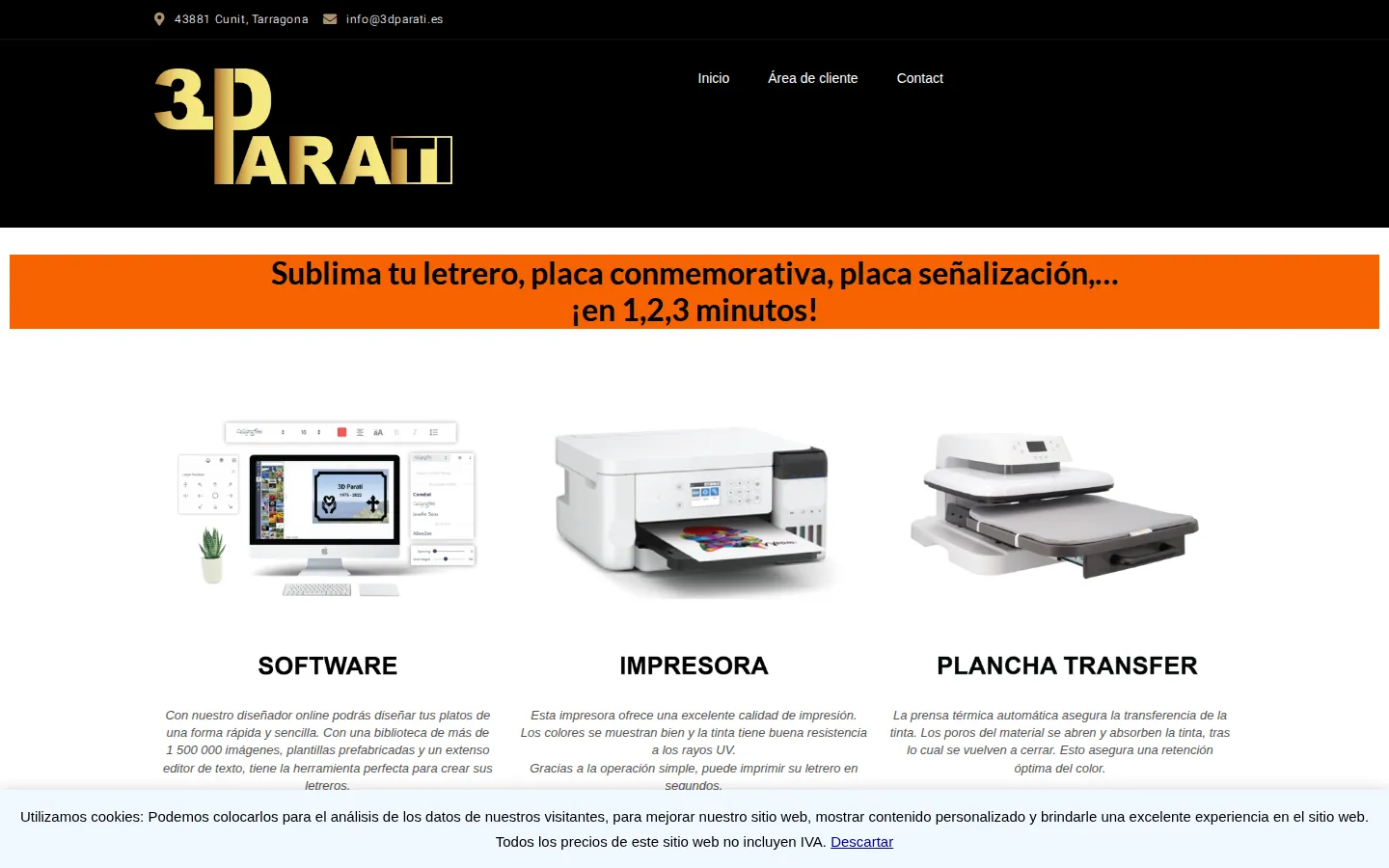
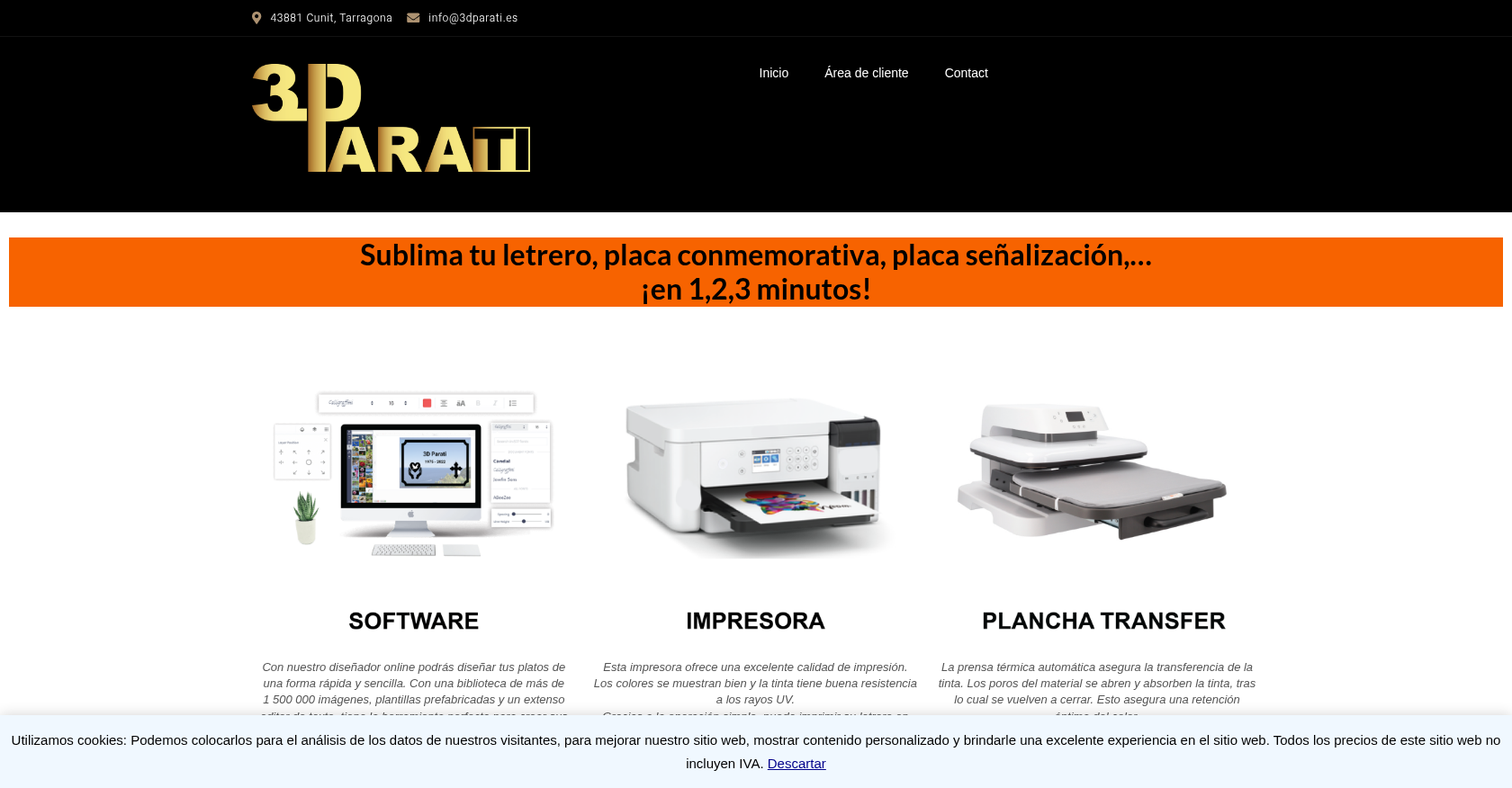 Web-to-Print · 3dparati.esStreamlined Web-to-Print Experience for Custom Product OrderingDelivered, live store
 Web-to-Print · rynoprinting.comTransforming Web-to-Print Experience for Customized Printing ServicesDelivered, live store
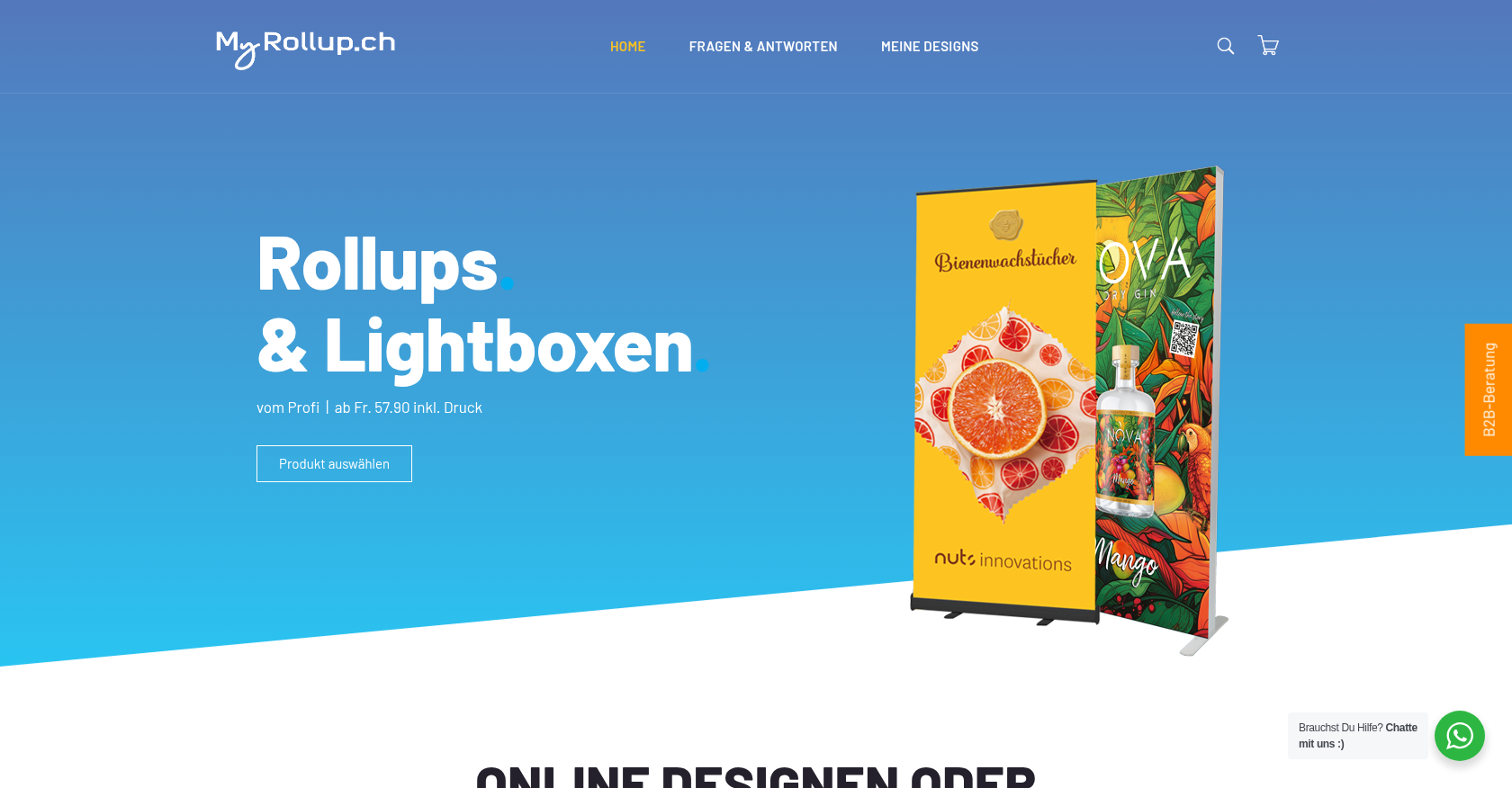 Web-to-Print · myrollup.chEnhanced Web-to-Print Catalog for Custom Printing SolutionsDelivered, live store
Project records from our portfolio. They show the wider work of the team, not this exact service.
Stores on Cmsmart Ecommerce



Cmsmart Ecommerce provides custom ecommerce and WooCommerce development services for web-to-print, product personalization, plugin support and API integration.




Web-to-print, WooCommerce, B2B and AI specialists who plan, build and support stores together.
Meet the team →
Top