
Multi-store ecommerce means one operator runs two or more storefronts for different brands, regions or audiences, sharing administration and some data. This Cmsmart guide explains why stores go multi-store, the key platform features, the customer benefits and the downsides to weigh before launching another storefront. Multi-store ecommerce means one operator runs two or more storefronts for different brands, regions or audiences. The stores may share administration and selected data, but catalog, prices, customer accounts, checkout...


In the world of eCommerce, entrepreneurs have the option of developing their own website or joining an established platform. While some opt to go solo, most choose to join a marketplace due to its many advantages, such as lower initial costs and access to a larger customer base. This is why popular Multi-Vendor Websites like Amazon, eBay, and Etsy continue to thrive as they attract more sellers and buyers alike. Developing your own Multi-Vendor eCommerce...


Introduction Revolutionizing B2B with Print-on-Demand eCommerce In the digital age, businesses are shifting from traditional supply chains to on-demand models. Print-on-Demand (POD) empowers B2B enterprises to offer custom-branded merchandise, support procurement workflows and make products to order where the production model permits. Smithers Pira publishes digital-printing market research. Its market-size estimates and growth assumptions provide industry context, while demand for a particular POD store depends on its buyers, products and channels. POD is no longer exclusive to B2C....

In recent years, eCommerce has experienced a remarkable transformation, with mobile devices playing an increasingly significant role in online shopping. As a result, developing a mobile app for your eCommerce Business has become essential in order to stay ahead of the competition. However, creating a mobile app that is both engaging and effective can be challenging, as it requires a deep understanding of user behavior, industry trends and emerging technologies. In this comprehensive guide, we...

Any kind of machine needs maintenance after a period of operation, the websites too. It is considered a product of technology, of course, it will also be outdated, having problems after a period of operation. Not only fixing problems that are currently encountered, but website maintenance also ensures to the prevention of possible risks in the future. In addition, maintaining the website will keep it up to date with the latest technologies. Do you know...

.png)
E-commerce is no longer a strange concept. Under the covid pandemic, e-commerce develops rapidly, becoming a new form of business. To be able to integrate as well as catch up with the development of the market, many businesses have started building an e-commerce website. A good e-commerce website not only stimulates customers to take conversion actions, but it can also keep customers coming back for the next time. Finding a suitable design to create a...

Ecommerce maybe isn’t an unpopular definition. It is considered a lucrative industry for retailers. Ecommerce is one of the industries that have the fastest development speed. The simple and cheapest option for retailers is to take part in an ecommerce system. But owning an ecommerce website is a better choice for businesses if they want to build a brand and reach more customers. However, not only cost but also many business owners fluctuate in building...

Having a reliable partner is crucial for achieving success, especially when building an eCommerce website. It's essential to find an experienced developer who understands your goals, can build your website, and has a good reputation to ensure that your project is completed on time and at a high standard. However, with so many companies offering eCommerce design services, it can be challenging to find the right one for your needs. To assist in your search,...


The concept of t-shirt e-commerce combines the ever-popular t-shirt industry with the convenience and reach of online retail. It involves selling customized or pre-designed t-shirts through an online store, catering to a global customer base. T-shirt e-commerce has gained significant traction in recent years due to its immense potential for success and the numerous benefits it offers to entrepreneurs. Online printing has many advantages more than you think, that’s why they start to sell their...

To operate an effective online store you need to track as well as analyze and evaluate a lot of information related to different aspects. However, there is no single tool or platform that can analyze all of these indicators. So how can you save time and improve productivity in data analytics management? An e-commerce dashboard allows you to integrate information from a variety of sources and display it visually centrally. You can manage and analyze...
Most read this month
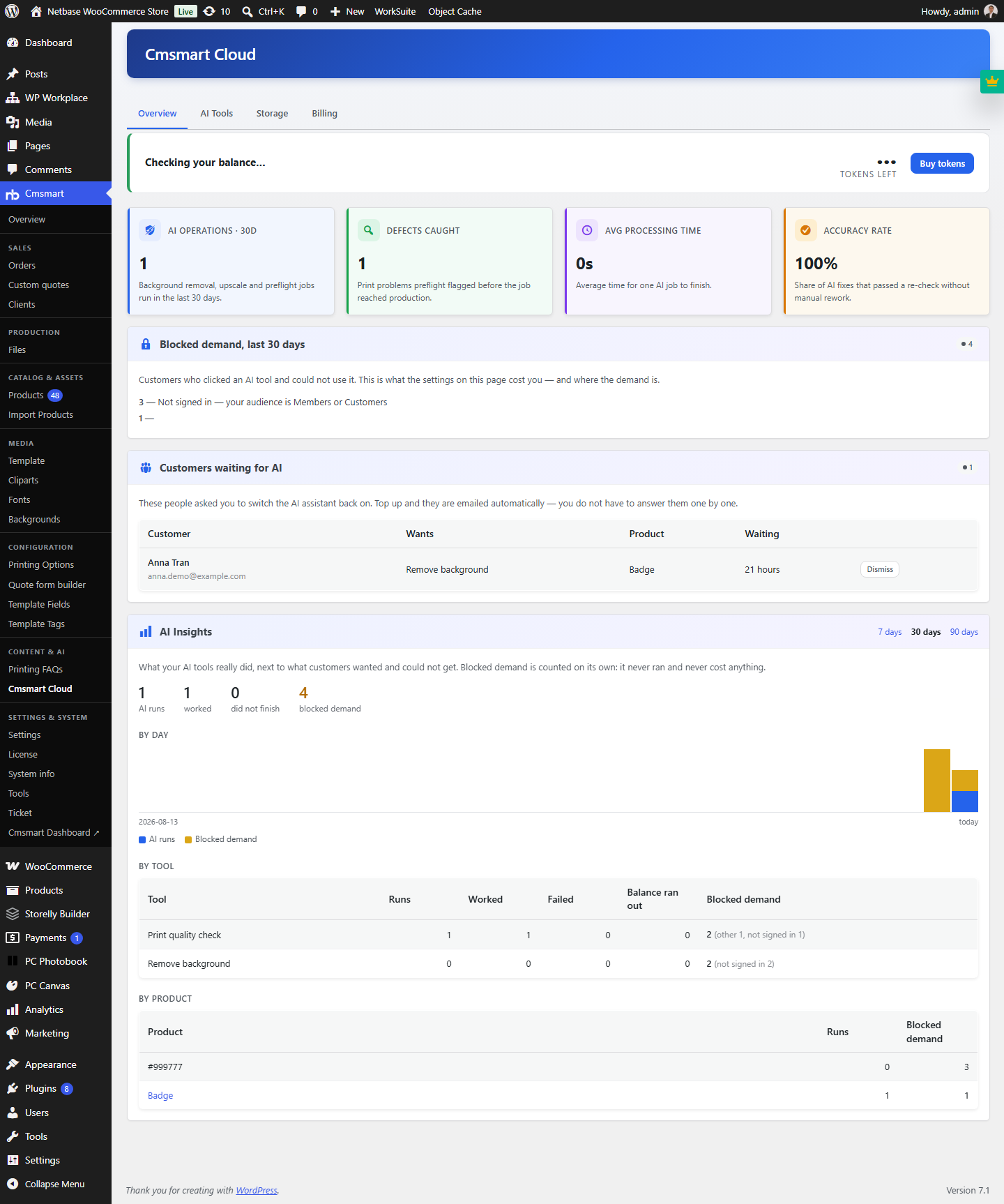 Cmsmart Product Designer 2.15: a critical security fix, a steadier dashboard, and AI you control and profit from
 NBDesigner Plugin Install Guide for WooCommerce (2.17)
 Cmsmart Product Designer 2.10.0 – Built-in Customer CRM, AI Print-QA and a Redesigned Dashboard
 Teespring Business Model: How It Works for Sellers
 Ecommerce Web Design Companies: 6 to Compare
 NBDesigner Free Download: 30-Day Trial, Install, Activate
 Keywords for T-Shirts: SEO Tips for Your Brand
 Ecommerce Product Catalog and Listings: A Guide
 Cmsmart product designer 2.9.0 – solving critical compatibility issues with wordpress, woocommerce and php 8.x
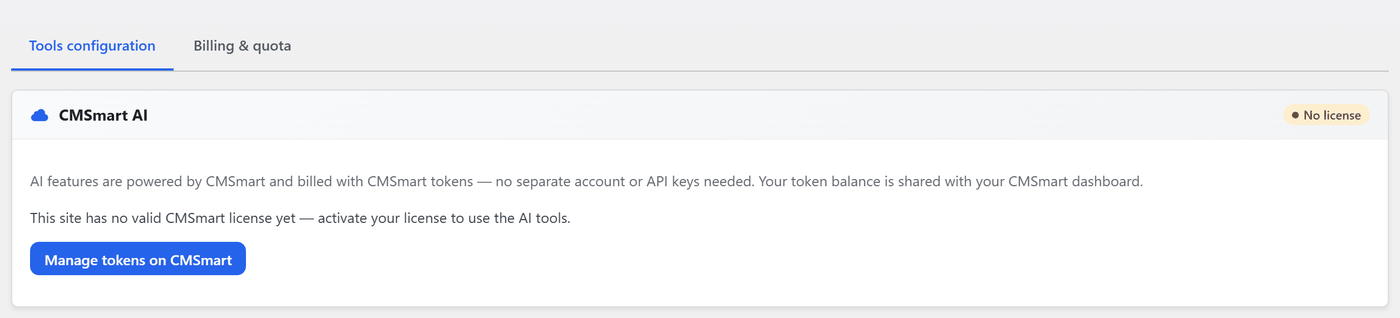 Cmsmart Product Designer 2.12 — AI on Your Own Licence, a Real Quotes Area, and Print Files You Can Trust
About Ecommerce trends Ecommerce Topics
The ecommerce industry is constantly evolving, and keeping up with the latest trends is essential for staying competitive and growing your business. From personalization and mobile optimization to artificial intelligence (AI) and social commerce, there are several key trends that ecommerce businesses need to be aware of to stay ahead of the curve. In this article, we will explore some of the essential ecommerce trend topics for the ecommerce community
Personalization in Ecommerce
Personalization is a critical component of the ecommerce shopping experience. Personalized experiences help build customer loyalty and improve engagement. According to a report by eMarketer, 56% of shoppers are more likely to return to a site that recommends products, and 58% are more likely to buy something recommended based on their past purchases.
There are several types of personalization strategies that ecommerce businesses can use, such as product recommendations, targeted messaging, and dynamic content. Examples of ecommerce businesses implementing personalization successfully include Amazon and Netflix.
One of the best ways to implement personalization is through a recommendation engine, which can help customers discover products that are tailored to their interests and preferences. Recommendation engines use machine learning algorithms to analyze customer data, such as purchase history, search history, and clickstream data, to generate personalized product recommendations. By using a recommendation engine, ecommerce businesses can provide a more personalized shopping experience and increase customer loyalty.
Mobile ecommerce is becoming increasingly important, as consumers continue to shift their purchasing habits to mobile devices. According to a report by eMarketer, mobile ecommerce is expected to account for nearly 73% of all ecommerce sales by 2021.
To optimize their ecommerce stores for mobile devices, businesses need to prioritize mobile design and ensure their site is mobile-responsive. Best practices for optimizing ecommerce stores for mobile devices include simplifying the checkout process, using large and readable fonts, and optimizing images and videos for mobile devices.
One of the best ways to optimize for mobile is by using a mobile-first design approach. Mobile-first design is a design philosophy that prioritizes designing for the smallest screen first, then scaling up to larger screens. By designing for mobile first, ecommerce businesses can ensure that their site is optimized for the smallest and most common screen size, leading to a better overall user experience.
Artificial Intelligence (AI) in Ecommerce
AI is transforming the ecommerce industry, helping businesses automate routine tasks and personalize the shopping experience. AI-powered chatbots, product recommendations, and fraud prevention are just a few examples of how ecommerce businesses are using AI to improve customer experiences and increase efficiency. According to a report by Research and Markets, the global AI in retail market size is expected to grow from $994 million in 2020 to $5.43 billion by 2026.
Examples of ecommerce businesses using AI successfully include Sephora and Walmart.
One of the best ways to implement AI in ecommerce is through chatbots, which can help businesses automate customer service tasks and provide customers with personalized recommendations. Chatbots use natural language processing and machine learning to understand customer inquiries and provide relevant responses. By using chatbots, ecommerce businesses can improve customer satisfaction and reduce response times.
Social Commerce
Social commerce is the integration of social media and ecommerce, allowing consumers to shop directly on social media platforms. Social commerce is becoming increasingly important, as social media platforms continue to grow in popularity and influence. According to a report by eMarketer, social commerce sales in the US are expected to reach $36.62 billion by 2021.
Examples of social media platforms for ecommerce businesses include Facebook, Instagram, and Pinterest. Best practices for social media marketing for ecommerce businesses include creating engaging content, leveraging influencers, and using social media analytics to measure successOne of the best ways to implement social commerce is through social media advertising, which can help businesses target their ads to specific audiences and increase conversions. Social media advertising uses demographic data and user behavior data to target ads to users who are most likely to engage with the ad and make a purchase. By using social media advertising, ecommerce businesses can reach a wider audience and increase sales.
Subscription-Based Services
Subscription-based services are becoming increasingly popular in the ecommerce industry, offering customers a recurring and convenient way to purchase products and services. Benefits of offering subscription-based services include predictable revenue streams and increased customer loyalty. According to a report by McKinsey, subscription ecommerce sales have grown by more than 100% per year over the past five years.
Challenges of offering subscription-based services include customer churn and the need for ongoing product development. Examples of ecommerce businesses offering subscription-based services include Birchbox and Dollar Shave Club.
Augmented Reality (AR) and Virtual Reality (VR) in Ecommerce
AR and VR are changing the ecommerce industry, offering customers immersive experiences that allow them to visualize products in real-world environments. AR and VR are particularly useful for ecommerce businesses selling products that require visual inspection, such as furniture and clothing. According to a report by MarketsandMarkets, the global AR and VR market size is expected to grow from $12.0 billion in 2020 to $72.7 billion by 2026.
Examples of ecommerce businesses using AR and VR successfully include IKEA and Warby Parker.
One of the best ways to implement AR and VR in ecommerce is through virtual try-ons, which allow customers to visualize products in real-world environments. By using AR and VR for virtual try-ons, ecommerce businesses can improve the customer experience and reduce returns.
Green Ecommerce
Sustainability and environmental responsibility are becoming increasingly important to consumers, and ecommerce businesses need to take steps to reduce their environmental impact. According to a report by Shopify, 75% of consumers are willing to pay more for sustainable products.
The ecommerce industry is constantly evolving, and keeping up with the latest trends is essential for staying competitive and growing your business. From personalization and mobile optimization to artificial intelligence (AI) and social commerce, there are several key trends that ecommerce businesses need to be aware of to stay ahead of the curve. In this article, we will explore some of the essential ecommerce trend topics for the ecommerce community.
Personalization in Ecommerce
Personalization is a critical component of the ecommerce shopping experience. Personalized experiences help build customer loyalty and improve engagement. According to a report by eMarketer, 56% of shoppers are more likely to return to a site that recommends products, and 58% are more likely to buy something recommended based on their past purchases.
There are several types of personalization strategies that ecommerce businesses can use, such as product recommendations, targeted messaging, and dynamic content. Examples of ecommerce businesses implementing personalization successfully include Amazon and Netflix.
One of the best ways to implement personalization is through a recommendation engine, which can help customers discover products that are tailored to their interests and preferences. Recommendation engines use machine learning algorithms to analyze customer data, such as purchase history, search history, and clickstream data, to generate personalized product recommendations. By using a recommendation engine, ecommerce businesses can provide a more personalized shopping experience and increase customer loyalty.
Mobile ecommerce is becoming increasingly important, as consumers continue to shift their purchasing habits to mobile devices. According to a report by eMarketer, mobile ecommerce is expected to account for nearly 73% of all ecommerce sales by 2021.
To optimize their ecommerce stores for mobile devices, businesses need to prioritize mobile design and ensure their site is mobile-responsive. Best practices for optimizing ecommerce stores for mobile devices include simplifying the checkout process, using large and readable fonts, and optimizing images and videos for mobile devices.
One of the best ways to optimize for mobile is by using a mobile-first design approach. Mobile-first design is a design philosophy that prioritizes designing for the smallest screen first, then scaling up to larger screens. By designing for mobile first, ecommerce businesses can ensure that their site is optimized for the smallest and most common screen size, leading to a better overall user experience.
Artificial Intelligence (AI) in Ecommerce
AI is transforming the ecommerce industry, helping businesses automate routine tasks and personalize the shopping experience. AI-powered chatbots, product recommendations, and fraud prevention are just a few examples of how ecommerce businesses are using AI to improve customer experiences and increase efficiency. According to a report by Research and Markets, the global AI in retail market size is expected to grow from $994 million in 2020 to $5.43 billion by 2026.
Examples of ecommerce businesses using AI successfully include Sephora and Walmart.
One of the best ways to implement AI in ecommerce is through chatbots, which can help businesses automate customer service tasks and provide customers with personalized recommendations. Chatbots use natural language processing and machine learning to understand customer inquiries and provide relevant responses. By using chatbots, ecommerce businesses can improve customer satisfaction and reduce response times
Social Commerce
Social commerce is the integration of social media and ecommerce, allowing consumers to shop directly on social media platforms. Social commerce is becoming increasingly important, as social media platforms continue to grow in popularity and influence. According to a report by eMarketer, social commerce sales in the US are expected to reach $36.62 billion by 2021.
Examples of social media platforms for ecommerce businesses include Facebook, Instagram, and Pinterest. Best practices for social media marketing for ecommerce businesses include creating engaging content, leveraging influencers, and using social media analytics to measure successOne of the best ways to implement social commerce is through social media advertising, which can help businesses target their ads to specific audiences and increase conversions. Social media advertising uses demographic data and user behavior data to target ads to users who are most likely to engage with the ad and make a purchase. By using social media advertising, ecommerce businesses can reach a wider audience and increase sales.
Subscription-Based Services
Subscription-based services are becoming increasingly popular in the ecommerce industry, offering customers a recurring and convenient way to purchase products and services. Benefits of offering ecommerce development services include predictable revenue streams and increased customer loyalty. According to a report by McKinsey, subscription ecommerce sales have grown by more than 100% per year over the past five years.
Challenges of offering subscription-based services include customer churn and the need for ongoing product development. Examples of ecommerce businesses offering subscription-based services include Birchbox and Dollar Shave Club.
Augmented Reality (AR) and Virtual Reality (VR) in Ecommerce
AR and VR are changing the ecommerce industry, offering customers immersive experiences that allow them to visualize products in real-world environments. AR and VR are particularly useful for ecommerce businesses selling products that require visual inspection, such as furniture and clothing. According to a report by MarketsandMarkets, the global AR and VR market size is expected to grow from $12.0 billion in 2020 to $72.7 billion by 2026.
Examples of ecommerce businesses using AR and VR successfully include IKEA and Warby Parker.
One of the best ways to implement AR and VR in ecommerce is through virtual try-ons, which allow customers to visualize products in real-world environments. By using AR and VR for virtual try-ons, ecommerce businesses can improve the customer experience and reduce returns.
Green Ecommerce
Sustainability and environmental responsibility are becoming increasingly important to consumers, and ecommerce businesses need to take steps to reduce their environmental impact. According to a report by Shopify, 75% of consumers are willing to pay more for sustainable products.
Strategies for making ecommerce businesses more sustainable include using environmentally-friendly packaging, reducing energy consumption, and using sustainable materials. Examples of ecommerce businesses implementing green initiatives successfully include Patagonia and TOMS.
One of the best ways to implement green ecommerce is by using eco-friendly packaging, which can reduce waste and improve brand reputation. By using eco-friendly packaging, ecommerce businesses can reduce their environmental impact and improve customer loyalty.
Voice Commerce
Voice commerce is a rapidly growing trend, with the rise of smart speakers and voice assistants. According to a report by eMarketer, voice commerce sales in the US are expected to reach $19 billion by 2022.
To optimize ecommerce stores for voice search, businesses need to prioritize conversational content, optimize product descriptions for voice search, and ensure their site is mobile-responsive. Best practices for optimizing ecommerce stores for voice search include creating conversational content, using natural language, and optimizing for long-tail keywords.
Conclusion
Staying current with ecommerce trends is essential for ecommerce businesses to stay competitive and grow. From personalization and mobile optimization to AI and social commerce, ecommerce businesses need to be aware of the latest trends and adapt to the changing landscape. By implementing these trends and best practices, ecommerce businesses can provide a better customer experience, increase conversions, and improve their bottom line.
One of the best ways to implement green ecommerce is by using eco-friendly packaging, which can reduce waste and improve brand reputation. By using eco-friendly packaging, ecommerce businesses can reduce their environmental impact and improve customer loyalty.
Conclusion
Staying current with ecommerce trends is essential for ecommerce businesses to stay competitive and grow. From personalization and mobile optimization to AI and social commerce, ecommerce businesses need to be aware of the latest trends and adapt to the changing landscape. By implementing these trends and best practices, ecommerce businesses can provide a better customer experience, increase conversions, and improve their bottom line.

Cmsmart Ecommerce provides custom ecommerce and WooCommerce development services for web-to-print, product personalization, plugin support and API integration. For company background and team leadership, see David Nguyen.

Top