
.png)
Applies to Cmsmart Product Designer (NBDesigner) 2.17.0 · Updated October 2026. Features listed are present in the 2.17.0 code; some depend on your plan and API keys. In shortThe outcome: you sell personalized products online (names, photos, logos, build-your-own options) and every order arrives with a print-ready file, without a designer in the loop for each sale.How it works: the Cmsmart Product Designer is a WooCommerce product customizer that combines a visual editor, option-based pricing,...


A print shop can start with a WordPress theme, a custom build, or a service engagement. A theme supplies a layout, while product configuration, artwork upload, online design, checkout, and payment setup depend on the chosen plugins and implementation. Compare demos against your order workflow before choosing. Some themes include starter layouts, but a finished print storefront still needs product data, compatible extensions, testing, and maintenance. If you plan a web-to-print storefront with customer...

The custom printing industry, especially in the niche of mug printing, is thriving like never before. Mug printing holds a significant share of the market, with data from Data Bridge Market Research showing that the global mug printing market was valued at $21.39 billion in 2021. Projections suggest it will nearly double to $44.21 billion by 2029. If you're considering starting an online mug printing business, now is an ideal time to get started....


Building a website for your printing business is one of the most critical steps toward establishing a professional online presence. A well-designed, functional website acts as the face of your business and plays a central role in attracting customers, processing orders, and managing your operations. When you begin your journey, one of the first questions that will come to mind is: How much does it really cost to build a website for a printing business?...

If you're thinking about starting a Print on Demand (POD) business in 2025, this tutorial is your blueprint for success. Learn how to quickly set up your online store, create standout designs, and partner with reliable POD suppliers who will handle fulfillment and shipping. With no need for inventory management or upfront investments, POD allows you to focus on growing your brand and reaching customers. Whether you're a creative entrepreneur or a savvy business...

Web-to-print software connects an online storefront, product configuration, orders and production workflows. Before choosing, check the features you need, supported file formats, integrations, pricing and who runs what. This Cmsmart guide lists the key features and how to measure results; see our web-to-print solution. Understanding the Web to Print Software Landscape Web-to-print software can connect an online storefront, product configuration, orders and production workflows. Evaluate the required features, integrations and operating responsibilities for the individual business. Historical...


A web-to-print storefront is an online shop where customers design, customize and order print products, linked to pricing, order management and production. This Cmsmart guide covers its features and customer segments. See our web-to-print solution or request a custom build. Introduction to Web to Print Solutions Web to Print (often called Web2Print) is a digital solution that allows print businesses to manage orders, customize designs, and automate workflows through online storefronts. It empowers both B2B and...

How to start a profitable business? You must do many tasks but you need a plan first, it can help you achieve goals and keep you on the right way. And the important part of the business plan that you should spend more time planning is the finance plan. It estimates the cost you should spend to start a business. A good financial plan can help you save enough money by reducing unessential expenses. One way...

It can be said that finding a good niche is the first step you must do to achieve success. So how to find a niche for the printing business? Maybe you can research on the internet by using some tools, or start from your passion and interact,... Many ways you can try to do it. You must consider four factors when choosing your market: market size, profitability, competition, and growth potential. But this step...

There are many factors that contribute to the success of the business. The innovation, quality of products, and sales strategy,... but most of them are around one thing, customer. whether your product is very great but your customers don’t like it, you failed. I can list some products that fail because it isn’t meet the demand of customers: Ford Edsel, New Coke, RJ Reynolds, Tab Clear,... Whether they are a big brand like Ford...
Most read this month
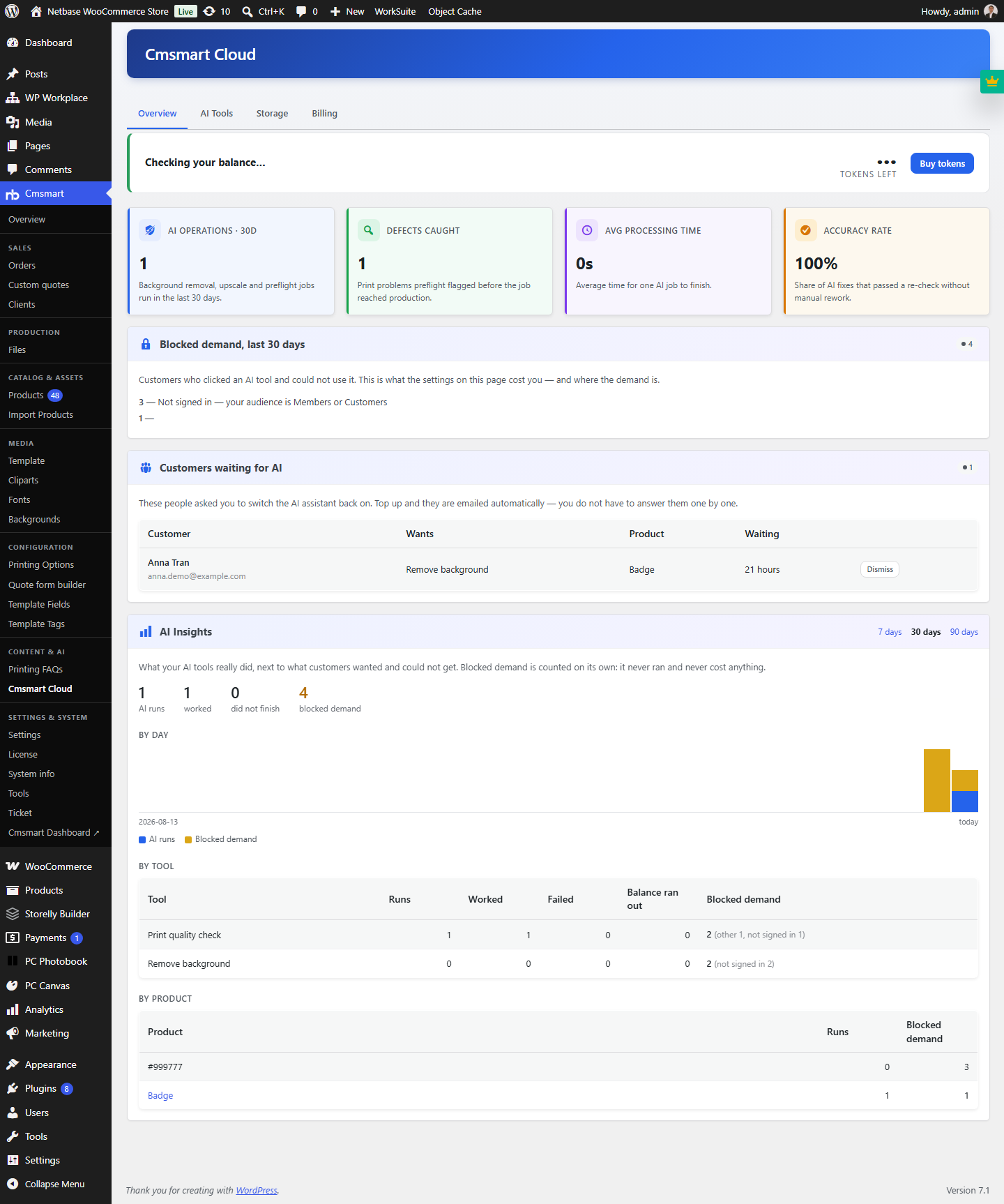 Cmsmart Product Designer 2.15: a critical security fix, a steadier dashboard, and AI you control and profit from
 Install the NBDesigner Plugin for WooCommerce (2.17)
 Cmsmart Product Designer 2.10.0 – Built-in Customer CRM, AI Print-QA and a Redesigned Dashboard
 Teespring Business Model: How It Works for Sellers
 Ecommerce Web Design Companies: 6 to Compare
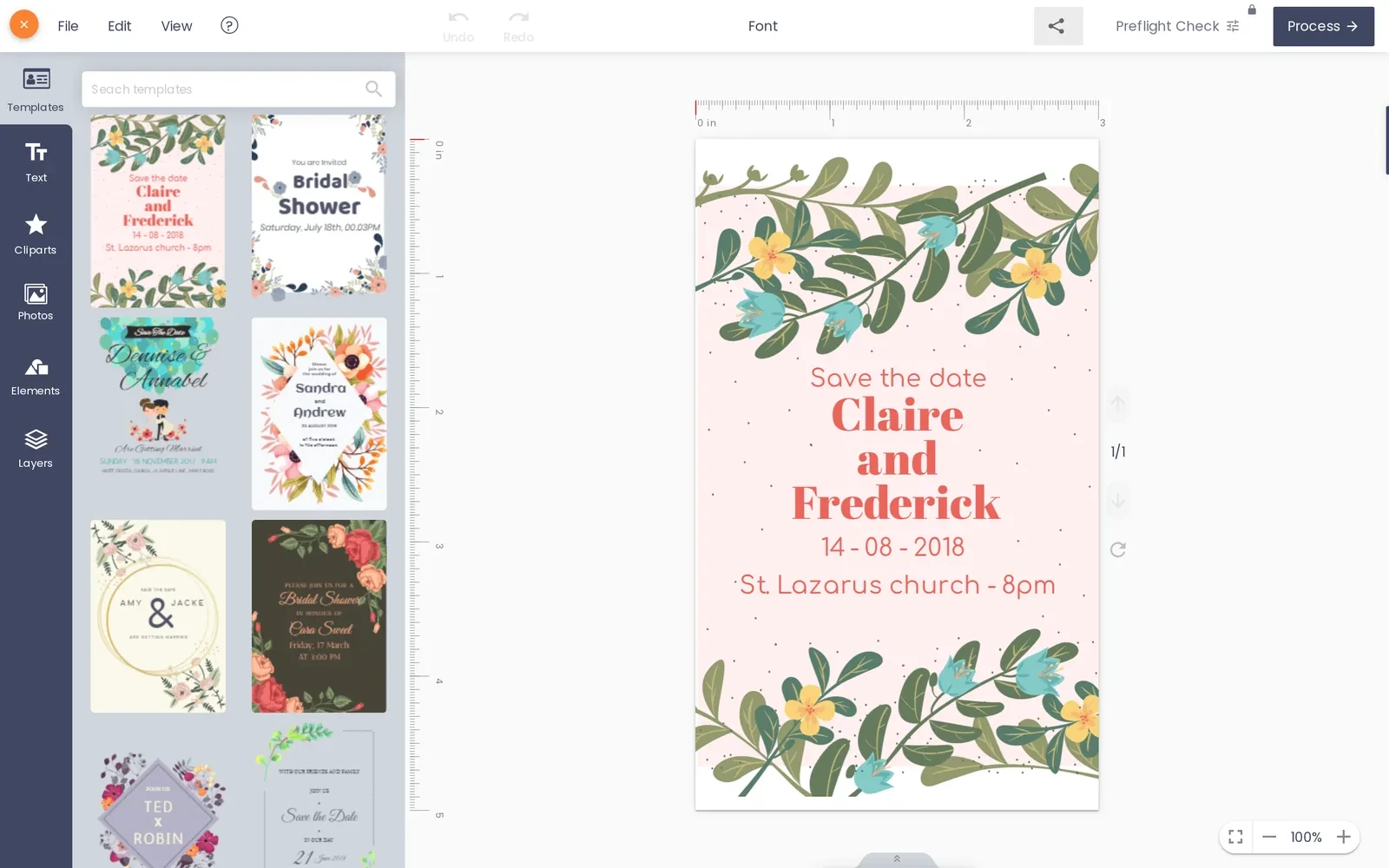 NBDesigner Free Trial: Download, Install & Activate
 Keywords for T-Shirts: SEO Tips for Your Brand
 Ecommerce Product Catalog and Listings: A Guide
 Cmsmart product designer 2.9.0 – solving critical compatibility issues with wordpress, woocommerce and php 8.x
 Cmsmart Product Designer 2.12 — AI on Your Own Licence, a Real Quotes Area, and Print Files You Can Trust
About Ecommerce trends Ecommerce Topics
The ecommerce industry is constantly evolving, and keeping up with the latest trends is essential for staying competitive and growing your business. From personalization and mobile optimization to artificial intelligence (AI) and social commerce, there are several key trends that ecommerce businesses need to be aware of to stay ahead of the curve. In this article, we will explore some of the essential ecommerce trend topics for the ecommerce community
Personalization in Ecommerce
Personalization is a critical component of the ecommerce shopping experience. Personalized experiences help build customer loyalty and improve engagement. According to a report by eMarketer, 56% of shoppers are more likely to return to a site that recommends products, and 58% are more likely to buy something recommended based on their past purchases.
There are several types of personalization strategies that ecommerce businesses can use, such as product recommendations, targeted messaging, and dynamic content. Examples of ecommerce businesses implementing personalization successfully include Amazon and Netflix.
One of the best ways to implement personalization is through a recommendation engine, which can help customers discover products that are tailored to their interests and preferences. Recommendation engines use machine learning algorithms to analyze customer data, such as purchase history, search history, and clickstream data, to generate personalized product recommendations. By using a recommendation engine, ecommerce businesses can provide a more personalized shopping experience and increase customer loyalty.
Mobile ecommerce is becoming increasingly important, as consumers continue to shift their purchasing habits to mobile devices. According to a report by eMarketer, mobile ecommerce is expected to account for nearly 73% of all ecommerce sales by 2021.
To optimize their ecommerce stores for mobile devices, businesses need to prioritize mobile design and ensure their site is mobile-responsive. Best practices for optimizing ecommerce stores for mobile devices include simplifying the checkout process, using large and readable fonts, and optimizing images and videos for mobile devices.
One of the best ways to optimize for mobile is by using a mobile-first design approach. Mobile-first design is a design philosophy that prioritizes designing for the smallest screen first, then scaling up to larger screens. By designing for mobile first, ecommerce businesses can ensure that their site is optimized for the smallest and most common screen size, leading to a better overall user experience.
Artificial Intelligence (AI) in Ecommerce
AI is transforming the ecommerce industry, helping businesses automate routine tasks and personalize the shopping experience. AI-powered chatbots, product recommendations, and fraud prevention are just a few examples of how ecommerce businesses are using AI to improve customer experiences and increase efficiency. According to a report by Research and Markets, the global AI in retail market size is expected to grow from $994 million in 2020 to $5.43 billion by 2026.
Examples of ecommerce businesses using AI successfully include Sephora and Walmart.
One of the best ways to implement AI in ecommerce is through chatbots, which can help businesses automate customer service tasks and provide customers with personalized recommendations. Chatbots use natural language processing and machine learning to understand customer inquiries and provide relevant responses. By using chatbots, ecommerce businesses can improve customer satisfaction and reduce response times.
Social Commerce
Social commerce is the integration of social media and ecommerce, allowing consumers to shop directly on social media platforms. Social commerce is becoming increasingly important, as social media platforms continue to grow in popularity and influence. According to a report by eMarketer, social commerce sales in the US are expected to reach $36.62 billion by 2021.
Examples of social media platforms for ecommerce businesses include Facebook, Instagram, and Pinterest. Best practices for social media marketing for ecommerce businesses include creating engaging content, leveraging influencers, and using social media analytics to measure successOne of the best ways to implement social commerce is through social media advertising, which can help businesses target their ads to specific audiences and increase conversions. Social media advertising uses demographic data and user behavior data to target ads to users who are most likely to engage with the ad and make a purchase. By using social media advertising, ecommerce businesses can reach a wider audience and increase sales.
Subscription-Based Services
Subscription-based services are becoming increasingly popular in the ecommerce industry, offering customers a recurring and convenient way to purchase products and services. Benefits of offering subscription-based services include predictable revenue streams and increased customer loyalty. According to a report by McKinsey, subscription ecommerce sales have grown by more than 100% per year over the past five years.
Challenges of offering subscription-based services include customer churn and the need for ongoing product development. Examples of ecommerce businesses offering subscription-based services include Birchbox and Dollar Shave Club.
Augmented Reality (AR) and Virtual Reality (VR) in Ecommerce
AR and VR are changing the ecommerce industry, offering customers immersive experiences that allow them to visualize products in real-world environments. AR and VR are particularly useful for ecommerce businesses selling products that require visual inspection, such as furniture and clothing. According to a report by MarketsandMarkets, the global AR and VR market size is expected to grow from $12.0 billion in 2020 to $72.7 billion by 2026.
Examples of ecommerce businesses using AR and VR successfully include IKEA and Warby Parker.
One of the best ways to implement AR and VR in ecommerce is through virtual try-ons, which allow customers to visualize products in real-world environments. By using AR and VR for virtual try-ons, ecommerce businesses can improve the customer experience and reduce returns.
Green Ecommerce
Sustainability and environmental responsibility are becoming increasingly important to consumers, and ecommerce businesses need to take steps to reduce their environmental impact. According to a report by Shopify, 75% of consumers are willing to pay more for sustainable products.
The ecommerce industry is constantly evolving, and keeping up with the latest trends is essential for staying competitive and growing your business. From personalization and mobile optimization to artificial intelligence (AI) and social commerce, there are several key trends that ecommerce businesses need to be aware of to stay ahead of the curve. In this article, we will explore some of the essential ecommerce trend topics for the ecommerce community.
Personalization in Ecommerce
Personalization is a critical component of the ecommerce shopping experience. Personalized experiences help build customer loyalty and improve engagement. According to a report by eMarketer, 56% of shoppers are more likely to return to a site that recommends products, and 58% are more likely to buy something recommended based on their past purchases.
There are several types of personalization strategies that ecommerce businesses can use, such as product recommendations, targeted messaging, and dynamic content. Examples of ecommerce businesses implementing personalization successfully include Amazon and Netflix.
One of the best ways to implement personalization is through a recommendation engine, which can help customers discover products that are tailored to their interests and preferences. Recommendation engines use machine learning algorithms to analyze customer data, such as purchase history, search history, and clickstream data, to generate personalized product recommendations. By using a recommendation engine, ecommerce businesses can provide a more personalized shopping experience and increase customer loyalty.
Mobile ecommerce is becoming increasingly important, as consumers continue to shift their purchasing habits to mobile devices. According to a report by eMarketer, mobile ecommerce is expected to account for nearly 73% of all ecommerce sales by 2021.
To optimize their ecommerce stores for mobile devices, businesses need to prioritize mobile design and ensure their site is mobile-responsive. Best practices for optimizing ecommerce stores for mobile devices include simplifying the checkout process, using large and readable fonts, and optimizing images and videos for mobile devices.
One of the best ways to optimize for mobile is by using a mobile-first design approach. Mobile-first design is a design philosophy that prioritizes designing for the smallest screen first, then scaling up to larger screens. By designing for mobile first, ecommerce businesses can ensure that their site is optimized for the smallest and most common screen size, leading to a better overall user experience.
Artificial Intelligence (AI) in Ecommerce
AI is transforming the ecommerce industry, helping businesses automate routine tasks and personalize the shopping experience. AI-powered chatbots, product recommendations, and fraud prevention are just a few examples of how ecommerce businesses are using AI to improve customer experiences and increase efficiency. According to a report by Research and Markets, the global AI in retail market size is expected to grow from $994 million in 2020 to $5.43 billion by 2026.
Examples of ecommerce businesses using AI successfully include Sephora and Walmart.
One of the best ways to implement AI in ecommerce is through chatbots, which can help businesses automate customer service tasks and provide customers with personalized recommendations. Chatbots use natural language processing and machine learning to understand customer inquiries and provide relevant responses. By using chatbots, ecommerce businesses can improve customer satisfaction and reduce response times
Social Commerce
Social commerce is the integration of social media and ecommerce, allowing consumers to shop directly on social media platforms. Social commerce is becoming increasingly important, as social media platforms continue to grow in popularity and influence. According to a report by eMarketer, social commerce sales in the US are expected to reach $36.62 billion by 2021.
Examples of social media platforms for ecommerce businesses include Facebook, Instagram, and Pinterest. Best practices for social media marketing for ecommerce businesses include creating engaging content, leveraging influencers, and using social media analytics to measure successOne of the best ways to implement social commerce is through social media advertising, which can help businesses target their ads to specific audiences and increase conversions. Social media advertising uses demographic data and user behavior data to target ads to users who are most likely to engage with the ad and make a purchase. By using social media advertising, ecommerce businesses can reach a wider audience and increase sales.
Subscription-Based Services
Subscription-based services are becoming increasingly popular in the ecommerce industry, offering customers a recurring and convenient way to purchase products and services. Benefits of offering ecommerce development services include predictable revenue streams and increased customer loyalty. According to a report by McKinsey, subscription ecommerce sales have grown by more than 100% per year over the past five years.
Challenges of offering subscription-based services include customer churn and the need for ongoing product development. Examples of ecommerce businesses offering subscription-based services include Birchbox and Dollar Shave Club.
Augmented Reality (AR) and Virtual Reality (VR) in Ecommerce
AR and VR are changing the ecommerce industry, offering customers immersive experiences that allow them to visualize products in real-world environments. AR and VR are particularly useful for ecommerce businesses selling products that require visual inspection, such as furniture and clothing. According to a report by MarketsandMarkets, the global AR and VR market size is expected to grow from $12.0 billion in 2020 to $72.7 billion by 2026.
Examples of ecommerce businesses using AR and VR successfully include IKEA and Warby Parker.
One of the best ways to implement AR and VR in ecommerce is through virtual try-ons, which allow customers to visualize products in real-world environments. By using AR and VR for virtual try-ons, ecommerce businesses can improve the customer experience and reduce returns.
Green Ecommerce
Sustainability and environmental responsibility are becoming increasingly important to consumers, and ecommerce businesses need to take steps to reduce their environmental impact. According to a report by Shopify, 75% of consumers are willing to pay more for sustainable products.
Strategies for making ecommerce businesses more sustainable include using environmentally-friendly packaging, reducing energy consumption, and using sustainable materials. Examples of ecommerce businesses implementing green initiatives successfully include Patagonia and TOMS.
One of the best ways to implement green ecommerce is by using eco-friendly packaging, which can reduce waste and improve brand reputation. By using eco-friendly packaging, ecommerce businesses can reduce their environmental impact and improve customer loyalty.
Voice Commerce
Voice commerce is a rapidly growing trend, with the rise of smart speakers and voice assistants. According to a report by eMarketer, voice commerce sales in the US are expected to reach $19 billion by 2022.
To optimize ecommerce stores for voice search, businesses need to prioritize conversational content, optimize product descriptions for voice search, and ensure their site is mobile-responsive. Best practices for optimizing ecommerce stores for voice search include creating conversational content, using natural language, and optimizing for long-tail keywords.
Conclusion
Staying current with ecommerce trends is essential for ecommerce businesses to stay competitive and grow. From personalization and mobile optimization to AI and social commerce, ecommerce businesses need to be aware of the latest trends and adapt to the changing landscape. By implementing these trends and best practices, ecommerce businesses can provide a better customer experience, increase conversions, and improve their bottom line.
One of the best ways to implement green ecommerce is by using eco-friendly packaging, which can reduce waste and improve brand reputation. By using eco-friendly packaging, ecommerce businesses can reduce their environmental impact and improve customer loyalty.
Conclusion
Staying current with ecommerce trends is essential for ecommerce businesses to stay competitive and grow. From personalization and mobile optimization to AI and social commerce, ecommerce businesses need to be aware of the latest trends and adapt to the changing landscape. By implementing these trends and best practices, ecommerce businesses can provide a better customer experience, increase conversions, and improve their bottom line.

Cmsmart Ecommerce provides custom ecommerce and WooCommerce development services for web-to-print, product personalization, plugin support and API integration. For company background and team leadership, see David Nguyen.

Top