

Custom ecommerce development tailors a store to your business model, customers and operations, when the platform supports those needs. This Cmsmart guide covers defining goals, features, scalability and budget, and evaluating AI-assisted personalization. Talk to an ecommerce expert about yours. Introduction: Why Custom Ecommerce Web Development Matters in the AI Era Custom ecommerce web development can tailor a site to a business model, customer requirements, and planned operations when the scope and platform support...

Free ecommerce website builders such as Big Cartel, Ecwid, Square Online and WooCommerce with WordPress let you open a store with little upfront cost. This Cmsmart list reviews 12 builders from 2021; plans and limits change, so check each provider's current pricing before choosing one. Historical context: this list reflects the builders and plans reviewed in 2021. Check each provider's current pricing, limits and availability before choosing a platform. Website builders can help entrepreneurs...
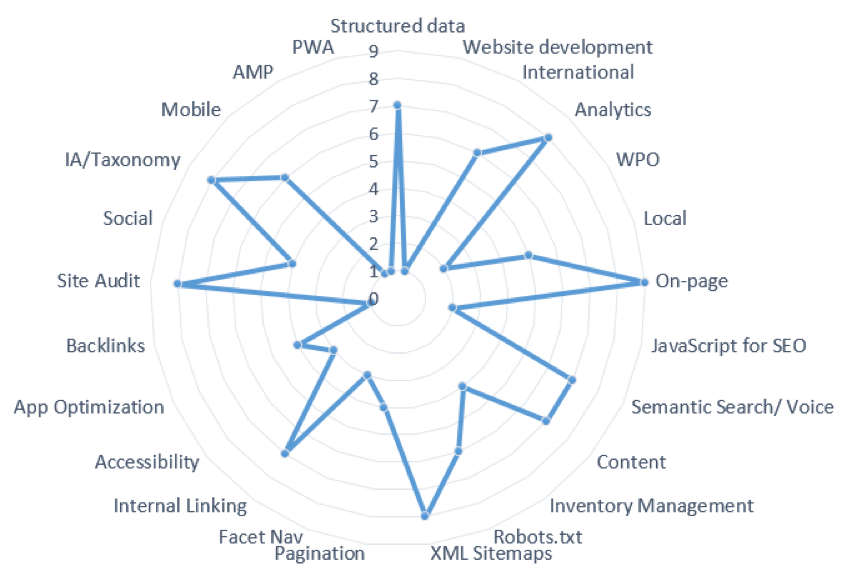
Hiring the best ecommerce SEO services to drive consumers through your door or on your website allows you to spend more time doing what you do best: providing an exceptional product, service, or experience. This post is written so that company owners may select an online marketing services company that suits their needs and budget. Depending on the firm you choose to collaborate with, you may take on certain issues or completely outsource marketing....

In the previous article of Top online marketing services company to growth your business , we showed many marketing services that marketing agencies offer. Whether your online retail firm is just getting started or has a well-established client base, it's critical to remain current with the most recent ecommerce marketing strategies for your business. Building and eventually launching an ecommerce website is a watershed moment for your company. As a result, it's critical to...

Marketing tools are ecommerce tools used by businesses to develop and market their products and services. The term 'tools' refers to approaches, tactics, and materials in this context. To increase sales, the great majority of firms employ a variety of marketing tactics such as advertising, direct mail, and market research. Businesses have a variety of marketing techniques at their disposal. Some are designed explicitly to increase sales, while others are designed to collect customer...
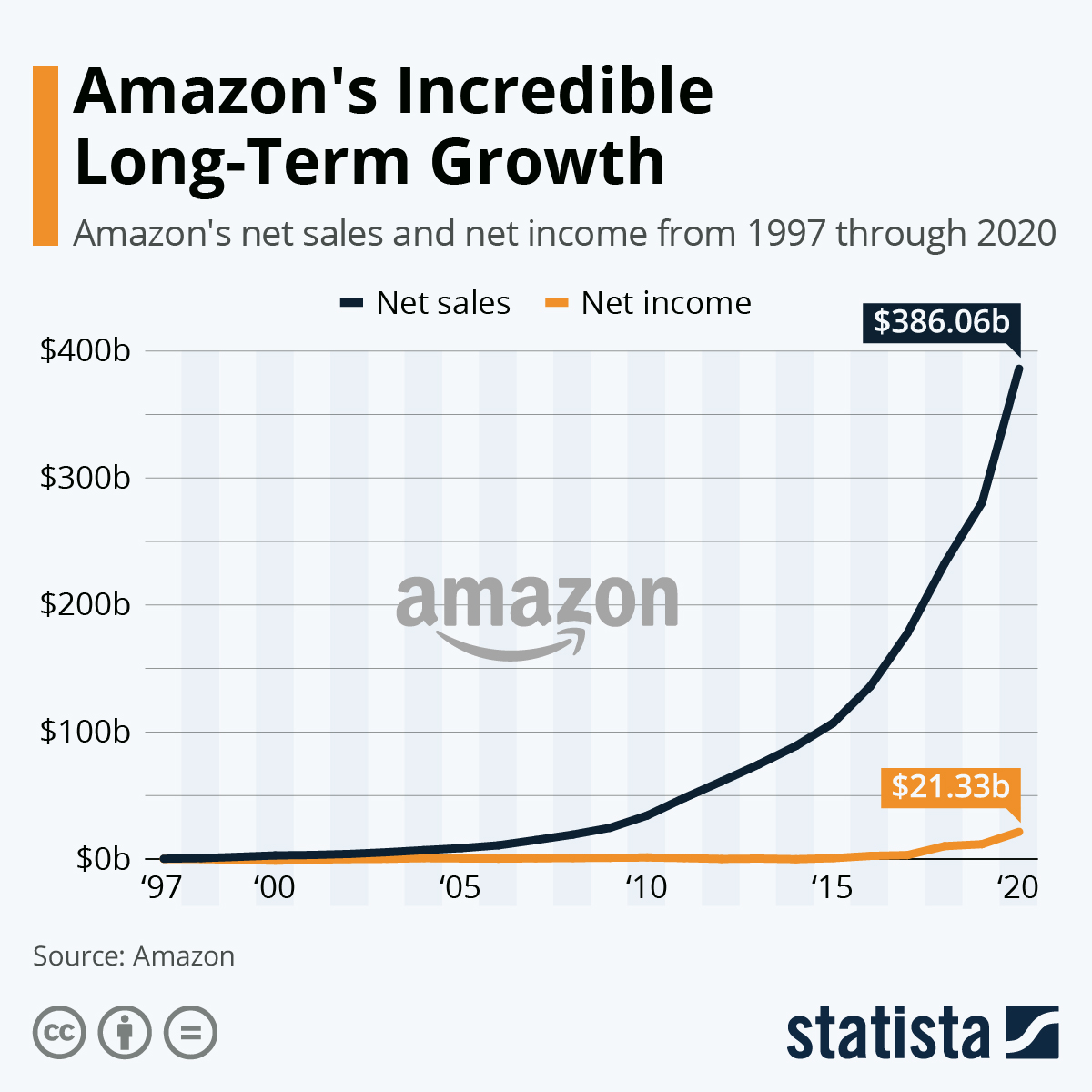

It's difficult to recall a period when Amazon wasn't the dominant force in the ecommerce sector. The giant has evolved into one of the world's largest enterprises, acquiring corporations and developing and marketing its own goods such as Alexa and Kindle devices, not to mention their very popular television streaming arm, Amazon Studios. Amazon's extraordinary corporate strength stemmed from a deliberate, clever approach to involve the entire world. Its rise may be traced back...
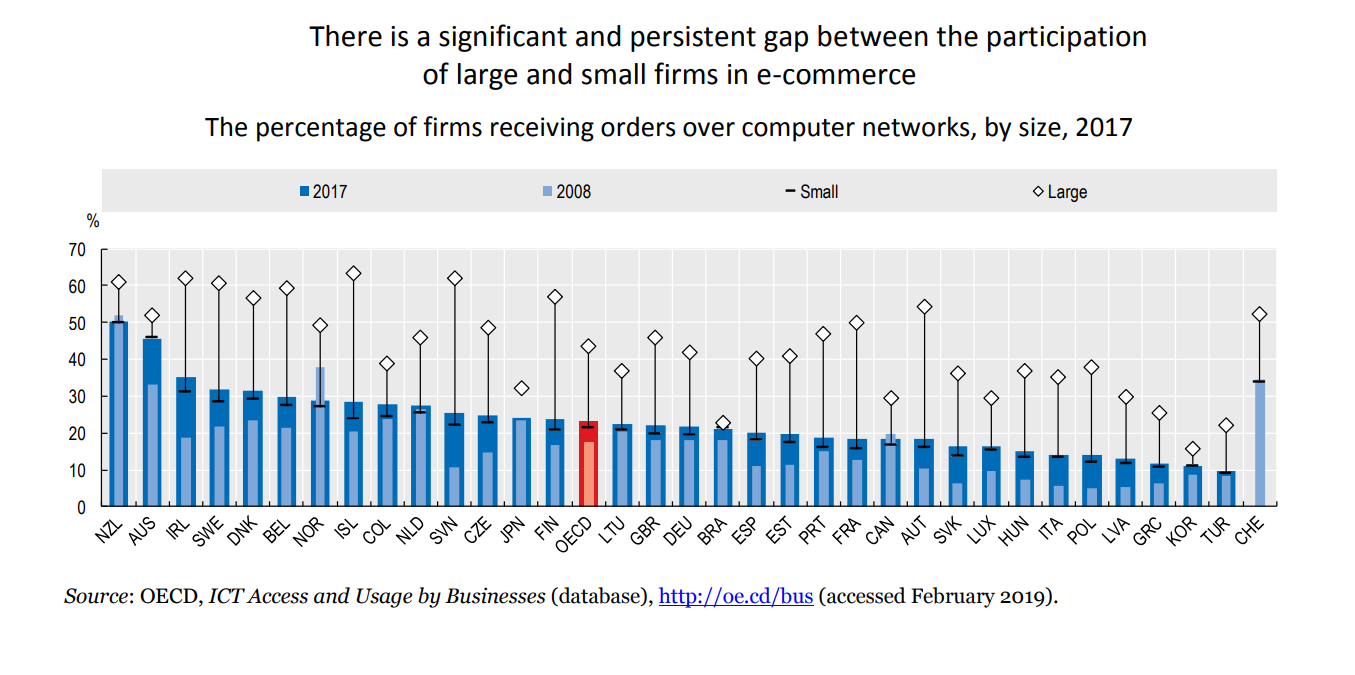
To build a website like eBay, start with market research, pick a target niche and analyze competitors, then plan the time and cost of development. This Cmsmart guide explains how eBay succeeded as a marketplace and what to consider when you build your own. The e-commerce landscape has gotten more dynamic as digital change has progressed. New players have developed at the same time that established companies have taken on other roles; some hurdles...

Social media marketing is the use of social media platforms and channels to promote a company's services, products, and brand. Social media marketing has cemented its place as an essential component of any modern digital marketing plan. Social media marketing is an important way to drive more visitors to your website, landing pages, blogs, and other online properties. A well-planned and implemented social strategy will assist you in establishing a steady flow of visitors...

Do you know what that is growth hacking? Sean Ellis came up with the phrase and definition of “growth hacking” in 2010 while trying to write a new job description. As a consultant, he assisted several startups (including Dropbox) in achieving rapid development. However, anytime he left a startup to seek other opportunities, he had a difficult time finding a replacement. He needed someone to be in control of the startup's growth. Each time,...


Introduction T-shirt Printing Market The global custom t-shirt printing market size was valued at USD 3.9 billion in 2021 and is expected to expand at a compound annual growth rate (CAGR) of 9.9% from 2022 to 2030. Specific to the United States T-shirt sales market was estimated at $746.4 million in 2020 and $812.7 million in 2021, and the CARG is expected to increase to 10.1% from 2022 to 2030 ( Grandview research ),...
Most read this month
 Cmsmart Product Designer 2.15: a critical security fix, a steadier dashboard, and AI you control and profit from
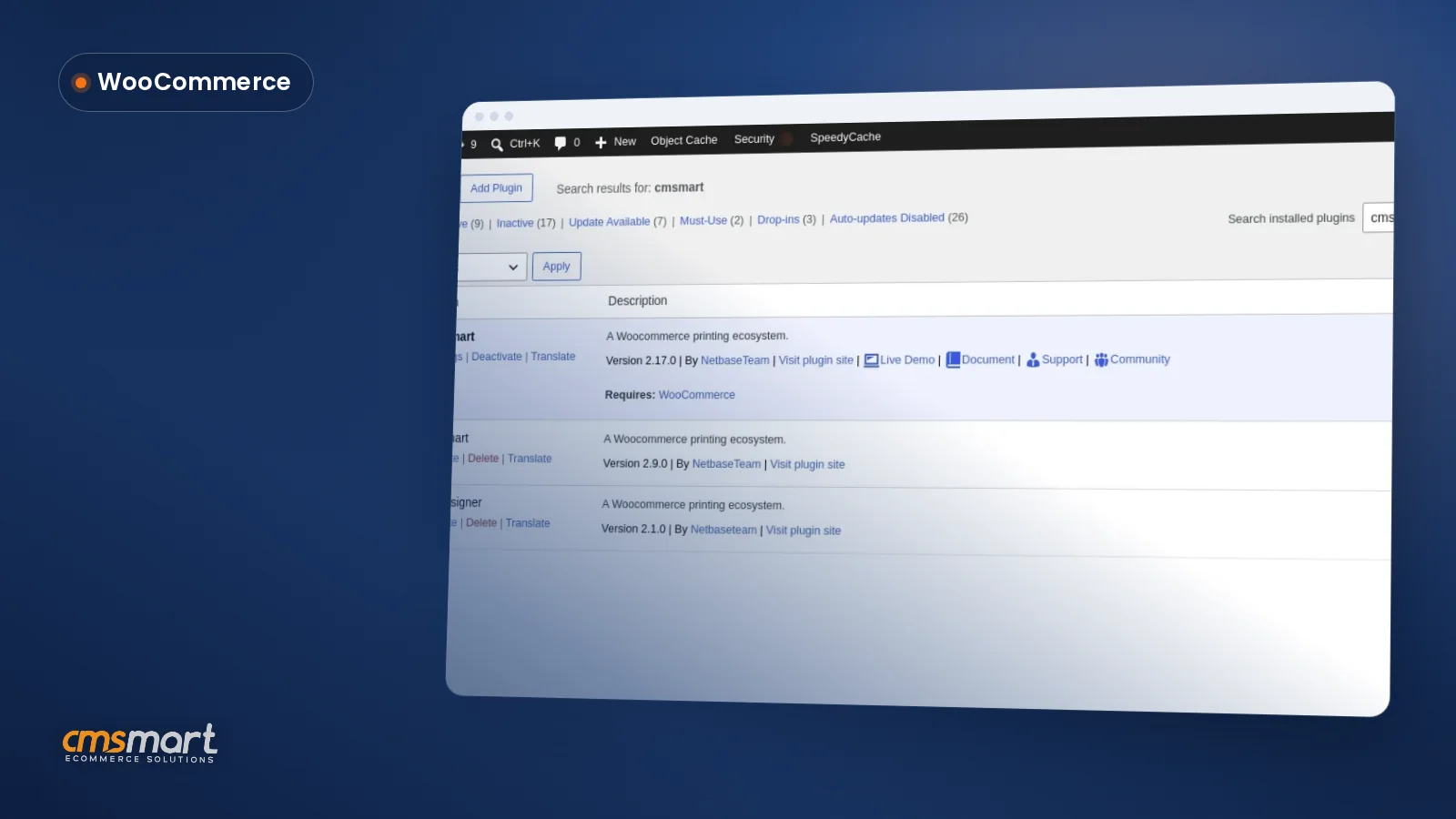 Install the NBDesigner Plugin for WooCommerce (2.17)
 Cmsmart Product Designer 2.10.0 – Built-in Customer CRM, AI Print-QA and a Redesigned Dashboard
 Teespring Business Model: How It Works for Sellers
 NBDesigner Free Trial: Download, Install & Activate
 Ecommerce Web Design Companies: 6 to Compare
 Ecommerce Product Catalog and Listings: A Guide
 Keywords for T-Shirts: SEO Tips for Your Brand
 Cmsmart product designer 2.9.0 – solving critical compatibility issues with wordpress, woocommerce and php 8.x
 Cmsmart Product Designer 2.12 — AI on Your Own Licence, a Real Quotes Area, and Print Files You Can Trust
About Ecommerce trends Ecommerce Topics
The ecommerce industry is constantly evolving, and keeping up with the latest trends is essential for staying competitive and growing your business. From personalization and mobile optimization to artificial intelligence (AI) and social commerce, there are several key trends that ecommerce businesses need to be aware of to stay ahead of the curve. In this article, we will explore some of the essential ecommerce trend topics for the ecommerce community
Personalization in Ecommerce
Personalization is a critical component of the ecommerce shopping experience. Personalized experiences help build customer loyalty and improve engagement. According to a report by eMarketer, 56% of shoppers are more likely to return to a site that recommends products, and 58% are more likely to buy something recommended based on their past purchases.
There are several types of personalization strategies that ecommerce businesses can use, such as product recommendations, targeted messaging, and dynamic content. Examples of ecommerce businesses implementing personalization successfully include Amazon and Netflix.
One of the best ways to implement personalization is through a recommendation engine, which can help customers discover products that are tailored to their interests and preferences. Recommendation engines use machine learning algorithms to analyze customer data, such as purchase history, search history, and clickstream data, to generate personalized product recommendations. By using a recommendation engine, ecommerce businesses can provide a more personalized shopping experience and increase customer loyalty.
Mobile ecommerce is becoming increasingly important, as consumers continue to shift their purchasing habits to mobile devices. According to a report by eMarketer, mobile ecommerce is expected to account for nearly 73% of all ecommerce sales by 2021.
To optimize their ecommerce stores for mobile devices, businesses need to prioritize mobile design and ensure their site is mobile-responsive. Best practices for optimizing ecommerce stores for mobile devices include simplifying the checkout process, using large and readable fonts, and optimizing images and videos for mobile devices.
One of the best ways to optimize for mobile is by using a mobile-first design approach. Mobile-first design is a design philosophy that prioritizes designing for the smallest screen first, then scaling up to larger screens. By designing for mobile first, ecommerce businesses can ensure that their site is optimized for the smallest and most common screen size, leading to a better overall user experience.
Artificial Intelligence (AI) in Ecommerce
AI is transforming the ecommerce industry, helping businesses automate routine tasks and personalize the shopping experience. AI-powered chatbots, product recommendations, and fraud prevention are just a few examples of how ecommerce businesses are using AI to improve customer experiences and increase efficiency. According to a report by Research and Markets, the global AI in retail market size is expected to grow from $994 million in 2020 to $5.43 billion by 2026.
Examples of ecommerce businesses using AI successfully include Sephora and Walmart.
One of the best ways to implement AI in ecommerce is through chatbots, which can help businesses automate customer service tasks and provide customers with personalized recommendations. Chatbots use natural language processing and machine learning to understand customer inquiries and provide relevant responses. By using chatbots, ecommerce businesses can improve customer satisfaction and reduce response times.
Social Commerce
Social commerce is the integration of social media and ecommerce, allowing consumers to shop directly on social media platforms. Social commerce is becoming increasingly important, as social media platforms continue to grow in popularity and influence. According to a report by eMarketer, social commerce sales in the US are expected to reach $36.62 billion by 2021.
Examples of social media platforms for ecommerce businesses include Facebook, Instagram, and Pinterest. Best practices for social media marketing for ecommerce businesses include creating engaging content, leveraging influencers, and using social media analytics to measure successOne of the best ways to implement social commerce is through social media advertising, which can help businesses target their ads to specific audiences and increase conversions. Social media advertising uses demographic data and user behavior data to target ads to users who are most likely to engage with the ad and make a purchase. By using social media advertising, ecommerce businesses can reach a wider audience and increase sales.
Subscription-Based Services
Subscription-based services are becoming increasingly popular in the ecommerce industry, offering customers a recurring and convenient way to purchase products and services. Benefits of offering subscription-based services include predictable revenue streams and increased customer loyalty. According to a report by McKinsey, subscription ecommerce sales have grown by more than 100% per year over the past five years.
Challenges of offering subscription-based services include customer churn and the need for ongoing product development. Examples of ecommerce businesses offering subscription-based services include Birchbox and Dollar Shave Club.
Augmented Reality (AR) and Virtual Reality (VR) in Ecommerce
AR and VR are changing the ecommerce industry, offering customers immersive experiences that allow them to visualize products in real-world environments. AR and VR are particularly useful for ecommerce businesses selling products that require visual inspection, such as furniture and clothing. According to a report by MarketsandMarkets, the global AR and VR market size is expected to grow from $12.0 billion in 2020 to $72.7 billion by 2026.
Examples of ecommerce businesses using AR and VR successfully include IKEA and Warby Parker.
One of the best ways to implement AR and VR in ecommerce is through virtual try-ons, which allow customers to visualize products in real-world environments. By using AR and VR for virtual try-ons, ecommerce businesses can improve the customer experience and reduce returns.
Green Ecommerce
Sustainability and environmental responsibility are becoming increasingly important to consumers, and ecommerce businesses need to take steps to reduce their environmental impact. According to a report by Shopify, 75% of consumers are willing to pay more for sustainable products.
The ecommerce industry is constantly evolving, and keeping up with the latest trends is essential for staying competitive and growing your business. From personalization and mobile optimization to artificial intelligence (AI) and social commerce, there are several key trends that ecommerce businesses need to be aware of to stay ahead of the curve. In this article, we will explore some of the essential ecommerce trend topics for the ecommerce community.
Personalization in Ecommerce
Personalization is a critical component of the ecommerce shopping experience. Personalized experiences help build customer loyalty and improve engagement. According to a report by eMarketer, 56% of shoppers are more likely to return to a site that recommends products, and 58% are more likely to buy something recommended based on their past purchases.
There are several types of personalization strategies that ecommerce businesses can use, such as product recommendations, targeted messaging, and dynamic content. Examples of ecommerce businesses implementing personalization successfully include Amazon and Netflix.
One of the best ways to implement personalization is through a recommendation engine, which can help customers discover products that are tailored to their interests and preferences. Recommendation engines use machine learning algorithms to analyze customer data, such as purchase history, search history, and clickstream data, to generate personalized product recommendations. By using a recommendation engine, ecommerce businesses can provide a more personalized shopping experience and increase customer loyalty.
Mobile ecommerce is becoming increasingly important, as consumers continue to shift their purchasing habits to mobile devices. According to a report by eMarketer, mobile ecommerce is expected to account for nearly 73% of all ecommerce sales by 2021.
To optimize their ecommerce stores for mobile devices, businesses need to prioritize mobile design and ensure their site is mobile-responsive. Best practices for optimizing ecommerce stores for mobile devices include simplifying the checkout process, using large and readable fonts, and optimizing images and videos for mobile devices.
One of the best ways to optimize for mobile is by using a mobile-first design approach. Mobile-first design is a design philosophy that prioritizes designing for the smallest screen first, then scaling up to larger screens. By designing for mobile first, ecommerce businesses can ensure that their site is optimized for the smallest and most common screen size, leading to a better overall user experience.
Artificial Intelligence (AI) in Ecommerce
AI is transforming the ecommerce industry, helping businesses automate routine tasks and personalize the shopping experience. AI-powered chatbots, product recommendations, and fraud prevention are just a few examples of how ecommerce businesses are using AI to improve customer experiences and increase efficiency. According to a report by Research and Markets, the global AI in retail market size is expected to grow from $994 million in 2020 to $5.43 billion by 2026.
Examples of ecommerce businesses using AI successfully include Sephora and Walmart.
One of the best ways to implement AI in ecommerce is through chatbots, which can help businesses automate customer service tasks and provide customers with personalized recommendations. Chatbots use natural language processing and machine learning to understand customer inquiries and provide relevant responses. By using chatbots, ecommerce businesses can improve customer satisfaction and reduce response times
Social Commerce
Social commerce is the integration of social media and ecommerce, allowing consumers to shop directly on social media platforms. Social commerce is becoming increasingly important, as social media platforms continue to grow in popularity and influence. According to a report by eMarketer, social commerce sales in the US are expected to reach $36.62 billion by 2021.
Examples of social media platforms for ecommerce businesses include Facebook, Instagram, and Pinterest. Best practices for social media marketing for ecommerce businesses include creating engaging content, leveraging influencers, and using social media analytics to measure successOne of the best ways to implement social commerce is through social media advertising, which can help businesses target their ads to specific audiences and increase conversions. Social media advertising uses demographic data and user behavior data to target ads to users who are most likely to engage with the ad and make a purchase. By using social media advertising, ecommerce businesses can reach a wider audience and increase sales.
Subscription-Based Services
Subscription-based services are becoming increasingly popular in the ecommerce industry, offering customers a recurring and convenient way to purchase products and services. Benefits of offering ecommerce development services include predictable revenue streams and increased customer loyalty. According to a report by McKinsey, subscription ecommerce sales have grown by more than 100% per year over the past five years.
Challenges of offering subscription-based services include customer churn and the need for ongoing product development. Examples of ecommerce businesses offering subscription-based services include Birchbox and Dollar Shave Club.
Augmented Reality (AR) and Virtual Reality (VR) in Ecommerce
AR and VR are changing the ecommerce industry, offering customers immersive experiences that allow them to visualize products in real-world environments. AR and VR are particularly useful for ecommerce businesses selling products that require visual inspection, such as furniture and clothing. According to a report by MarketsandMarkets, the global AR and VR market size is expected to grow from $12.0 billion in 2020 to $72.7 billion by 2026.
Examples of ecommerce businesses using AR and VR successfully include IKEA and Warby Parker.
One of the best ways to implement AR and VR in ecommerce is through virtual try-ons, which allow customers to visualize products in real-world environments. By using AR and VR for virtual try-ons, ecommerce businesses can improve the customer experience and reduce returns.
Green Ecommerce
Sustainability and environmental responsibility are becoming increasingly important to consumers, and ecommerce businesses need to take steps to reduce their environmental impact. According to a report by Shopify, 75% of consumers are willing to pay more for sustainable products.
Strategies for making ecommerce businesses more sustainable include using environmentally-friendly packaging, reducing energy consumption, and using sustainable materials. Examples of ecommerce businesses implementing green initiatives successfully include Patagonia and TOMS.
One of the best ways to implement green ecommerce is by using eco-friendly packaging, which can reduce waste and improve brand reputation. By using eco-friendly packaging, ecommerce businesses can reduce their environmental impact and improve customer loyalty.
Voice Commerce
Voice commerce is a rapidly growing trend, with the rise of smart speakers and voice assistants. According to a report by eMarketer, voice commerce sales in the US are expected to reach $19 billion by 2022.
To optimize ecommerce stores for voice search, businesses need to prioritize conversational content, optimize product descriptions for voice search, and ensure their site is mobile-responsive. Best practices for optimizing ecommerce stores for voice search include creating conversational content, using natural language, and optimizing for long-tail keywords.
Conclusion
Staying current with ecommerce trends is essential for ecommerce businesses to stay competitive and grow. From personalization and mobile optimization to AI and social commerce, ecommerce businesses need to be aware of the latest trends and adapt to the changing landscape. By implementing these trends and best practices, ecommerce businesses can provide a better customer experience, increase conversions, and improve their bottom line.
One of the best ways to implement green ecommerce is by using eco-friendly packaging, which can reduce waste and improve brand reputation. By using eco-friendly packaging, ecommerce businesses can reduce their environmental impact and improve customer loyalty.
Conclusion
Staying current with ecommerce trends is essential for ecommerce businesses to stay competitive and grow. From personalization and mobile optimization to AI and social commerce, ecommerce businesses need to be aware of the latest trends and adapt to the changing landscape. By implementing these trends and best practices, ecommerce businesses can provide a better customer experience, increase conversions, and improve their bottom line.

Cmsmart Ecommerce provides custom ecommerce and WooCommerce development services for web-to-print, product personalization, plugin support and API integration. For company background and team leadership, see David Nguyen.

Top